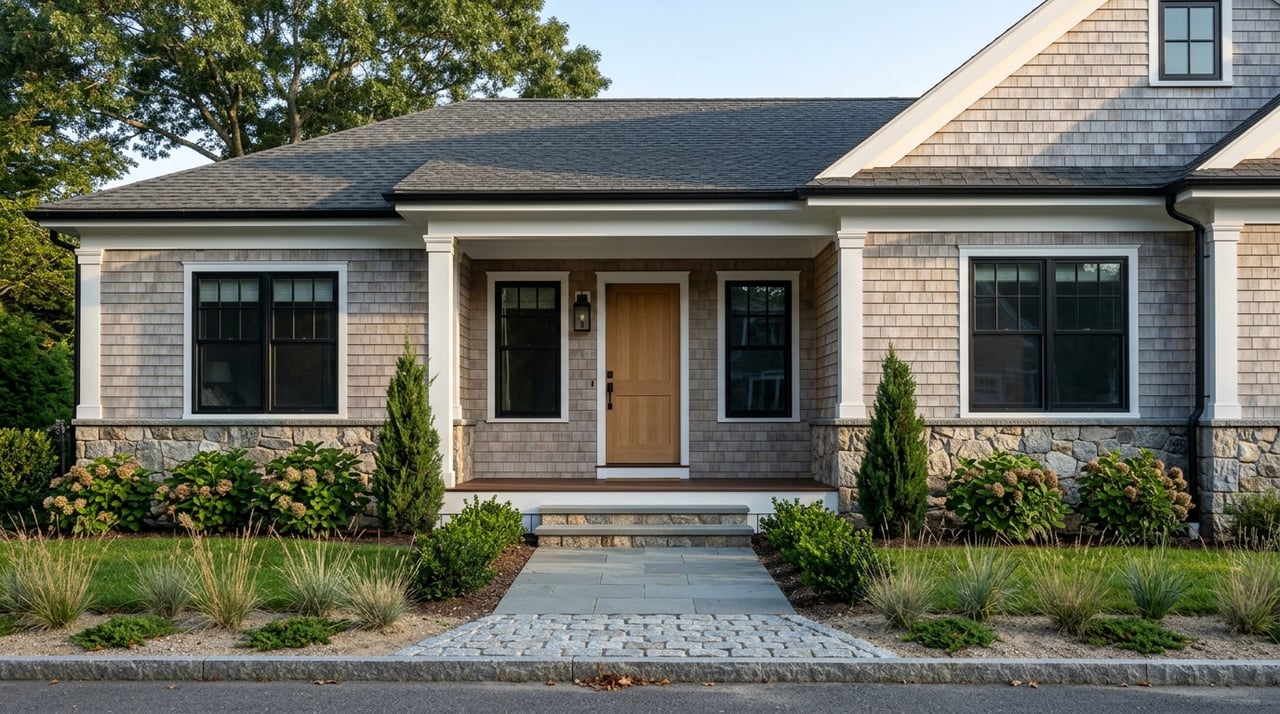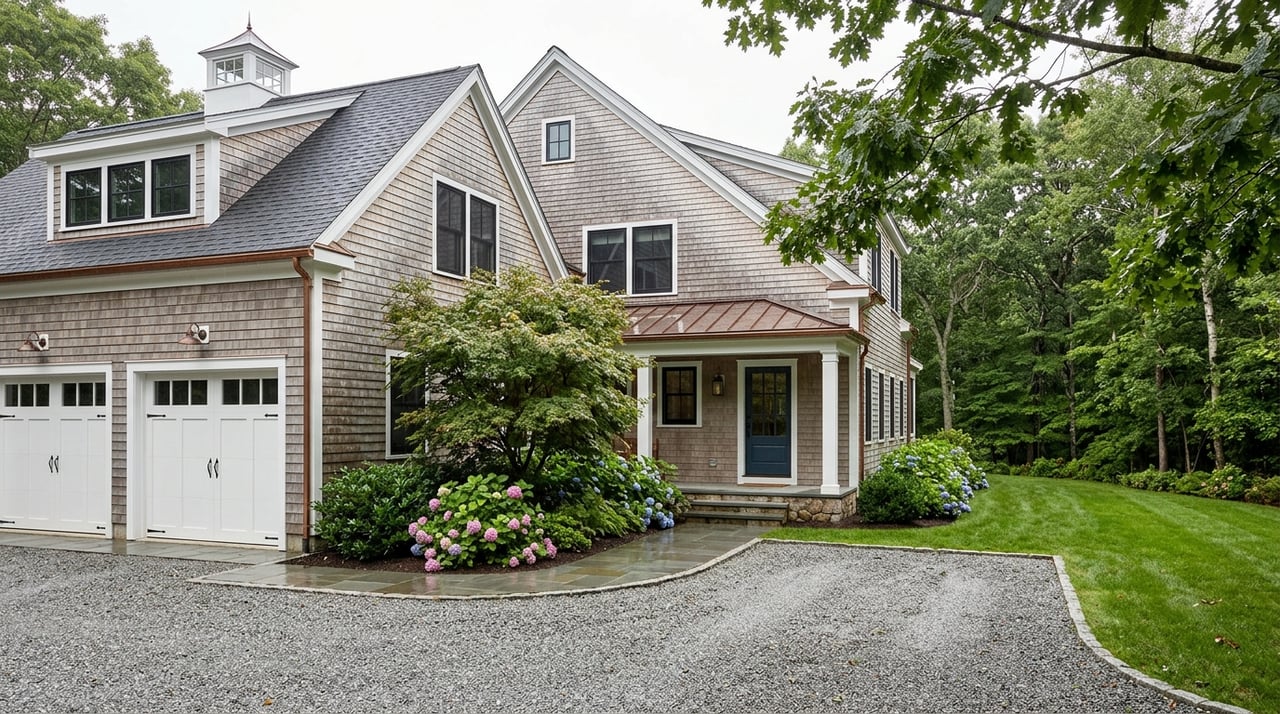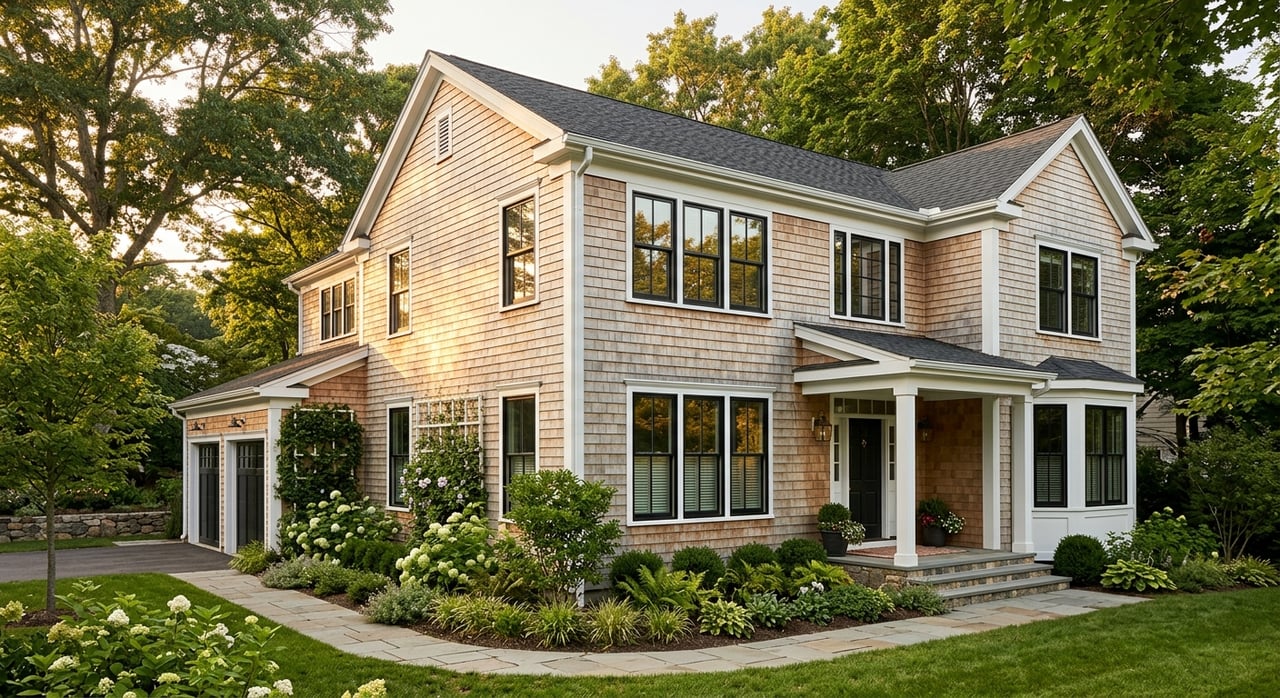
Wondering how to prepare a historic Kingston home without stripping away the very character buyers will love? If you are getting ready to sell, that balance matters more than ever. In a market where buyers move quickly and shop online first, the homes that stand out tend to pair strong presentation with a clear, credible story. This guide will walk you through how to get your historic Kingston home market-ready while protecting its character and positioning it for a standout sale. Let’s dive in.
Why presentation matters in Kingston
Kingston remains a competitive market. As of April 2026, the median sale price in Kingston was $549,716, homes sold in a median of 18 days, and 54.6% of sales closed above list price. Across Plymouth County, the median sale price was $630,738 with a median 22 days on market.
That pace is encouraging, but it does not mean every home sells itself. Buyers are comparing your property not only to other homes in Kingston, but also to listings across the broader South Shore. For a historic home, thoughtful preparation can help buyers quickly understand the home’s value, condition, and character.
Start with the home’s historic status
Before you make exterior changes or remove older features, confirm what you are working with. In Kingston, that step is especially important because local review rules can apply more broadly than many sellers expect.
Kingston’s demolition bylaw can affect buildings that are 80 years old or older, listed on the town historical survey, located within 200 feet of a historic district boundary, or tied to certain state or national register categories. If a demolition permit application is filed, the building inspector sends it to the Historical Commission, which then has 45 days to decide whether the building is historically significant. If it is, a demolition plan review and public hearing are required before a permit can be issued.
That does not mean you cannot prepare your home for sale. It means you should verify the home’s status before planning major exterior work, removing original elements, or pursuing any demolition-related changes.
Where to gather documentation
A few local resources can help you understand your home’s age and significance:
- The Kingston Historical Commission
- The town’s historic house plaque program for homes 80 years old or older
- The Kingston Public Library Local History Room
- Registry of Deeds records
- The Massachusetts Cultural Resource Information System, often called MACRIS
These sources may help you confirm construction dates, past ownership, survey records, and whether the property already has historic inventory forms or related documentation.
Focus on preservation-minded prep
When you are selling a historic home, more work is not always better. A full renovation is often unnecessary, and in some cases it can weaken the home’s appeal by removing the details that make it memorable.
A better approach is usually maintenance first. The goal is to present the home as clean, sound, and well cared for while keeping defining features in place. That aligns with preservation guidance that favors retaining historic character, making minimal changes to defining materials, and avoiding unnecessary removal or alteration.
What to prioritize before listing
Start with the basics that reassure buyers the home has been cared for:
- Clean and tidy exterior surfaces
- Orderly landscaping and entry sequence
- Minor repairs to worn or damaged elements
- Fresh, compatible paint where needed
- Functional systems and visible maintenance items
- Decluttering that makes architectural details easier to see
For historic homes, selective updates usually work better than wholesale replacement. If a feature can be repaired and still perform well, that may preserve both character and buyer appeal.
What to avoid
Some well-meant updates can work against a historic property. Preservation standards caution against adding conjectural or faux-historic details, creating a false sense of age, or using treatments that damage older materials.
In practical terms, be cautious about:
- Removing original millwork or trim without a clear reason
- Replacing distinctive older features just for uniformity
- Using aggressive surface treatments on historic materials
- Installing decorative details that were never part of the home
If you are unsure whether a change will help or hurt marketability, it is wise to pause and evaluate whether the update supports the home’s original character.
Build a clear property story
Historic homes often attract buyers emotionally, but buyers still need facts. The best listing story answers a few questions quickly and clearly.
A strong historic listing in Kingston should help buyers understand what is original, what has been updated, and what documentation supports the home’s age or significance. When that information is organized well, buyers can appreciate the charm while also feeling more confident about the home’s background.
Details worth gathering before launch
Try to organize:
- Approximate construction date
- Any available historic survey or inventory records
- Notable original features still in place
- A list of improvements or updates made over time
- Maintenance records that support condition and care
- Any plaque program information, if applicable
This material can strengthen listing remarks, marketing copy, and buyer conversations. It can also help reduce confusion when questions come up during showings or due diligence.
Stage to reveal, not hide
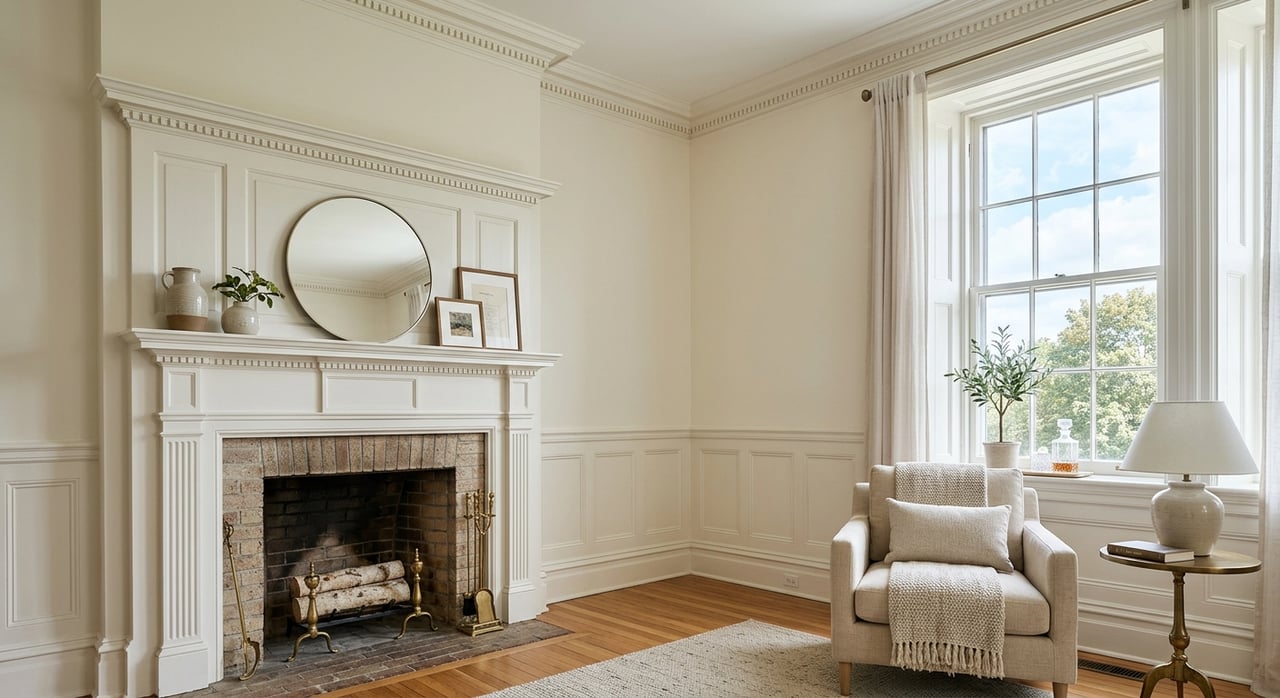
Historic homes benefit from staging, but the style matters. Buyers should be able to notice the ceiling height, millwork, windows, fireplaces, room flow, and other architectural details without distraction.
According to the 2025 home staging report, staging helped buyers’ agents visualize the home in 83% of cases. Among sellers’ agents, 29% said staging increased the dollar value offered by 1% to 10%, and 49% said staging reduced market time.
That does not mean every room needs a full redesign. It means a light, deliberate approach can make a meaningful difference.
Rooms to stage first
The most commonly staged rooms were:
- Living room
- Primary bedroom
- Dining room
- Kitchen
For a historic Kingston home, these rooms often carry much of the visual storytelling. The right furniture scale, clear walking paths, and restrained decor can help buyers see both beauty and function.
Staging tips for a historic home
Keep your staging approach simple and architecture-forward:
- Use furniture that fits the room instead of crowding it
- Keep window areas as open as possible for light
- Let fireplaces, moldings, and built-ins remain focal points
- Limit heavy patterns and oversized accessories
- Use neutral styling so period details stay visible
The goal is not to make the home feel like a museum. It is to make it feel livable, polished, and true to itself.
Make the home read well online
Today’s buyers usually meet your home on a screen before they ever book a showing. In the 2025 buyer and seller survey, 83% of buyers said they want photos, 79% want detailed property information, 57% want floor plans, and 41% want virtual tours.
That means your listing has to communicate clearly online. Historic homes can photograph beautifully, but only when the preparation is intentional.
What strong photography should do
Professional photography should show:
- The home’s scale and flow
- Important period details
- Clean, uncluttered rooms
- Honest condition and finishes
- Exterior setting and approach
Clutter and poor furniture placement tend to look even worse in photos than they do in person. Careful room prep matters because the camera notices everything.
Keep editing honest
Photo editing should enhance clarity, not change reality. If enhancements materially alter the property, they should be disclosed. For a historic home, honesty matters because buyers are paying close attention to authenticity.
That same principle should guide floor plans, virtual presentation, and written marketing. Strong presentation builds trust when it helps buyers understand the home, not when it oversells it.
Price and prepare with discipline
Even in a fast-moving market, historic homes need strategic positioning. Charm alone does not guarantee the best result. Buyers still compare layout, condition, updates, and overall presentation against nearby alternatives.
That is why pricing and preparation should work together. If the home shows beautifully, has a clear story, and answers likely buyer questions upfront, it has a better chance of drawing strong interest early.
Why early clarity matters
Historic homes often generate detailed questions. Buyers may ask about age, materials, updates, previous records, and whether certain features are original. If you can answer those questions confidently, you help reduce hesitation.
That confidence starts before the listing goes live. A thoughtful seller plan can make the home easier to market and easier for buyers to understand.
A smart path to market
If you are preparing a historic Kingston home for sale, think in phases rather than in a rush of random updates.
A smart path often looks like this:
- Verify the home’s historic status and available records.
- Review any planned exterior changes carefully.
- Prioritize maintenance, repair, and visual order.
- Gather documentation on age, updates, and provenance.
- Stage key rooms to highlight architecture and flow.
- Launch with polished photography, detailed information, and a clear property narrative.
This approach protects what makes the home special while helping buyers see its value quickly.
Selling a historic property is rarely about making it look newer. More often, it is about presenting it with care, context, and confidence. If you want guidance on how to position your home for today’s Kingston buyers, Regan Peterman offers a design-driven, hands-on approach that helps distinctive homes stand out.
FAQs
How should you prepare a historic home for sale in Kingston, MA?
- Focus on maintenance first, keep the home clean and visually orderly, preserve defining historic features, and verify the property’s status before making major exterior changes.
Does Kingston have special rules for older homes before demolition work?
- Yes. Kingston’s demolition bylaw can apply to homes that are 80 years old or older, homes on the town historical survey, homes within 200 feet of a historic district boundary, and certain register-related properties.
What documents help support a historic Kingston home listing?
- Useful materials can include deed research, local history records, historic survey forms, MACRIS records, plaque program information, and a clear list of original features and later updates.
Which rooms matter most when staging a historic home for sale?
- The living room, primary bedroom, dining room, and kitchen are the rooms most often staged and are usually the best places to start.
What do buyers want to see in a historic home listing online?
- Buyers most often want photos, detailed property information, floor plans, and, in many cases, virtual tours, so your online presentation should be clear, polished, and accurate.