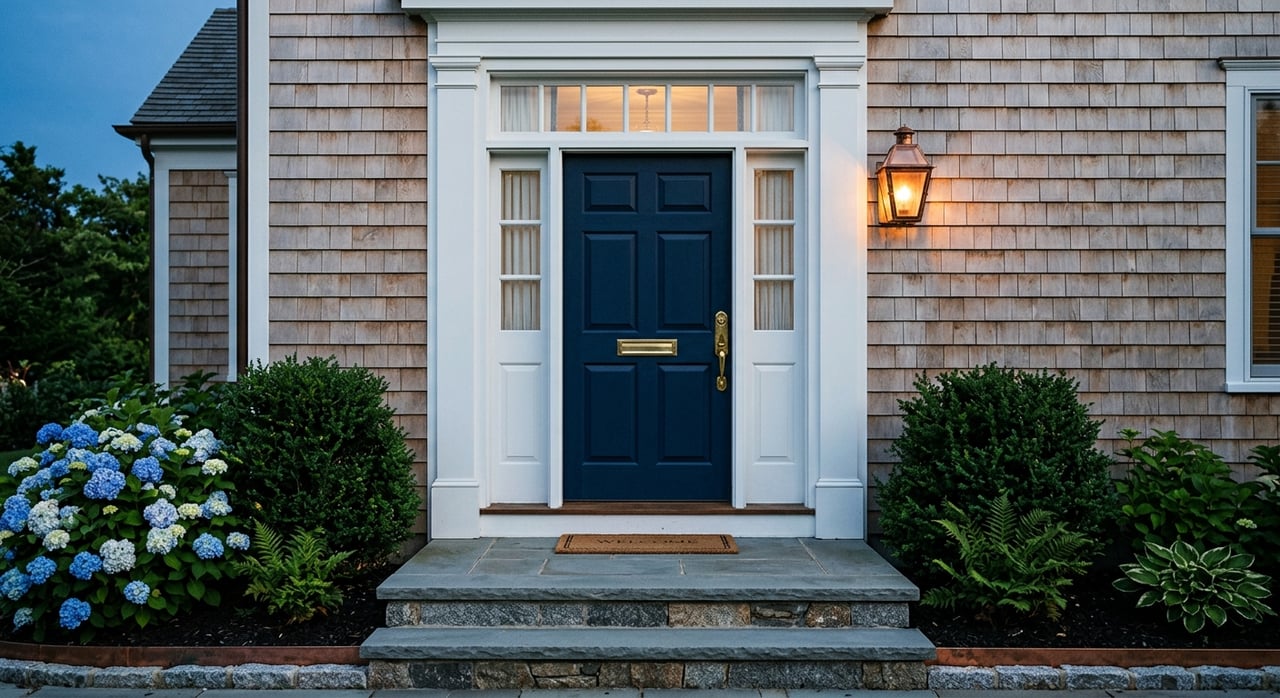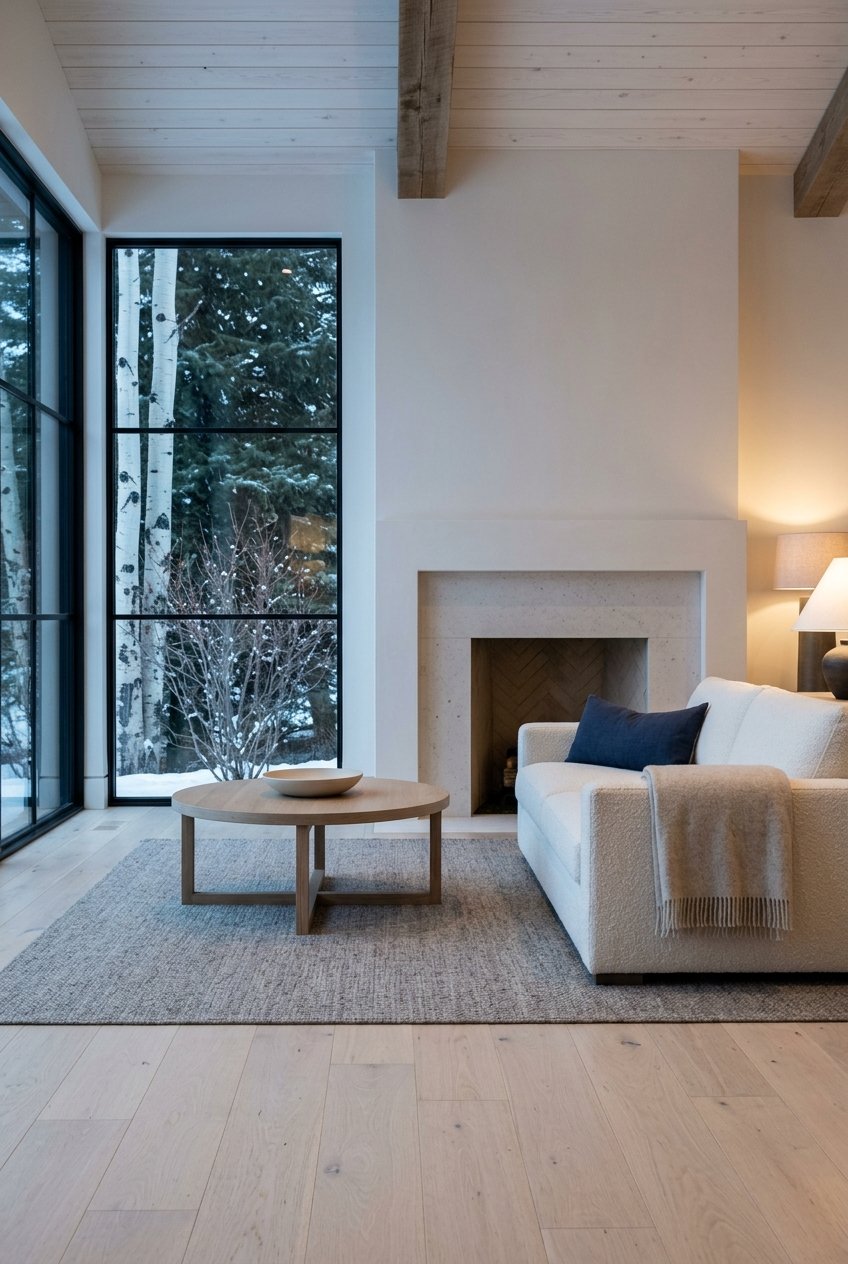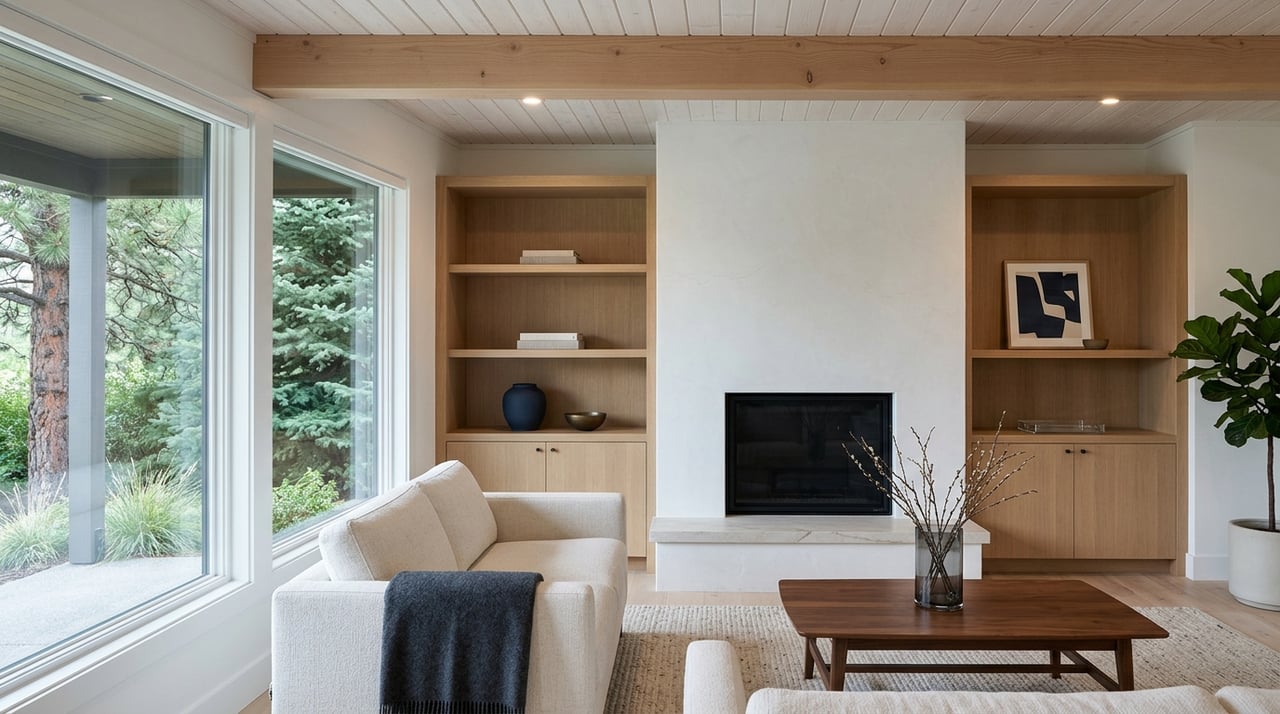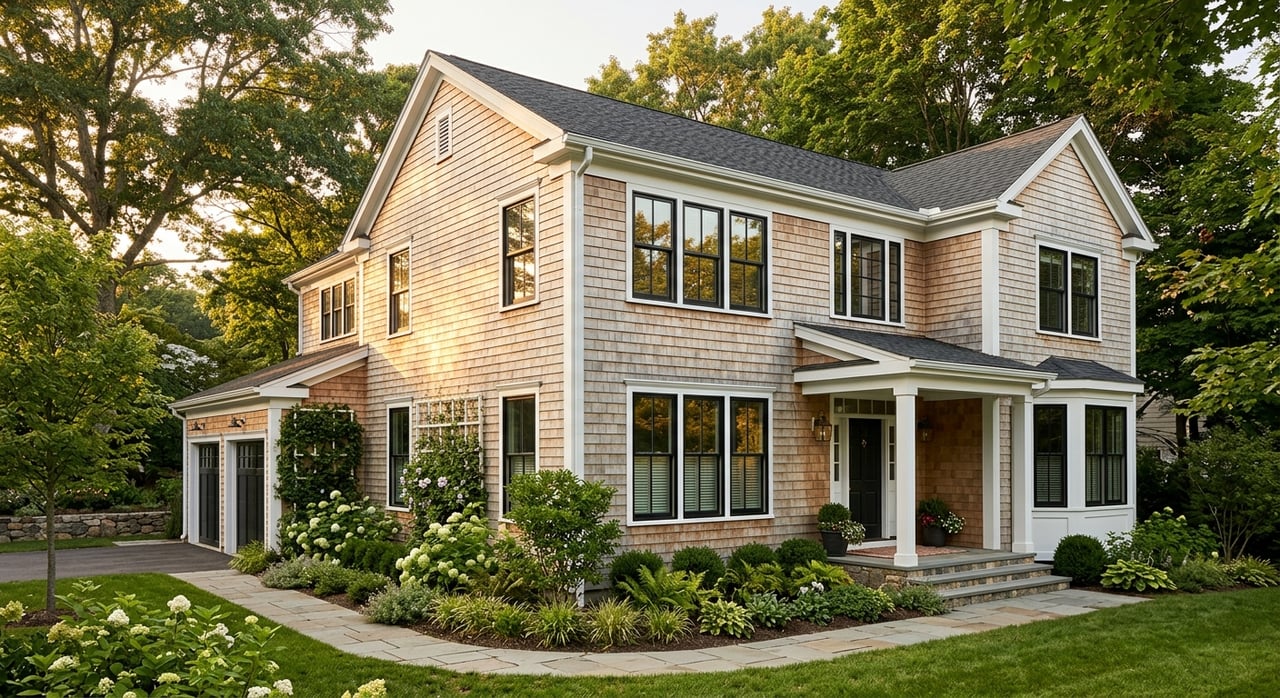
If you have ever driven through North Duxbury and thought, why do the homes here look so varied? you are not imagining it. This part of Duxbury tells its story through architecture, with houses that reflect centuries of local growth, changing industries, and everyday family life. If you are buying, selling, or simply trying to understand what gives these homes their character, this guide will help you spot the styles and design details that matter most. Let’s dive in.
Why North Duxbury Homes Feel Layered
North Duxbury is best understood as an inland part of Duxbury with a long, layered housing history. Early farmsteads and settlement patterns shaped the area first, and later growth added new homes over time rather than replacing everything at once.
That is why you can see houses in the North Duxbury area dating from about 1695 to 1941. The result is not one single “North Duxbury style,” but a mix of colonial-era homes, agrarian properties, immigrant-built houses, and later infill.
This local history also reflects more than one influence. While Duxbury’s coastal economy helped shape the town, inland areas like North Duxbury often kept more modest domestic forms, even as the broader region saw maritime wealth and architectural change.
Colonial Cape and Saltbox Forms
One of the clearest styles you are likely to notice in North Duxbury is the modest colonial house. These homes often appear as 1 1/2-story cottages with Cape-like proportions, low foundations, and wood shingle or clapboard siding.
In the broader Duxbury record, small saltbox and Cape forms are a defining part of the town’s historic housing stock. North Duxbury, along with other inland neighborhoods, retained many modest center-entrance and sidehall cottages that still read as unmistakably New England.
Details to Look For
When you are trying to identify this style, focus on simple massing and restrained design. Common details include:
- Low, practical rooflines
- Symmetrical or near-symmetrical front facades
- Cedar shingles or clapboards
- Small-scale cottage proportions
- Minimal ornament compared with later houses
These homes often have their strongest appeal in proportion rather than decoration. Their simplicity is part of what makes them timeless.
Federal and Colonial Revival Influence
Duxbury is also known for Federal-style architecture, especially because the town’s shipbuilding era supported more refined residential design. Even if the grandest Federal houses are better known closer to the bay, their influence remains part of the town’s architectural vocabulary.
Federal-style homes are usually more formal and symmetrical than earlier cottages. They often feature a polished entry composition and decorative details that signal a more elevated architectural approach.
Signature Federal Details
If you are looking at a home with a more formal facade, these details may point to Federal influence:
- Fanlights over the front door
- Sidelights flanking the entrance
- Dentil molding
- Palladian windows
- Hip roofs and balanced symmetry
Colonial Revival also appears in the local record, including larger side-gambrel houses and homes with verandahs. In practical terms, that means some North Duxbury properties may blend early New England forms with later revival details that give them a more polished, updated historic look.
Greek Revival and Victorian Hybrids
Not every older North Duxbury home fits neatly into one category. In fact, one of the area’s most interesting qualities is how often homes combine stylistic layers.
Greek Revival remained a common design language in inland neighborhoods during the 19th century. These homes often have gable-end-to-street massing and simpler trim, which gives them a clean, upright presence.
At the same time, some houses picked up Italianate or transitional Victorian details. In Duxbury’s historic record, you can find examples of homes that blend Greek Revival forms with later decorative features such as bracketed cornices, paneled cornerboards, Italianate door hoods, and even turreted elements.
Why This Matters for Buyers and Sellers
For buyers, this means a home may not fit a perfect textbook label, and that is often part of its charm. For sellers, it means the story of a house can be richer than a single style name.
A home may read as Colonial at first glance, but closer inspection may reveal Greek Revival trim or later Victorian updates. In a design-conscious market, those layered details can help a property stand out.
Resort-Era and 20th-Century Homes
As Duxbury developed through the late 19th and early 20th centuries, new housing types appeared. Closer to the coast, resort-era development brought styles such as Stick, Queen Anne, Shingle, Colonial Revival, and later Craftsman.
In inland secondary neighborhoods, the historic survey notes more limited simple cottage construction. By the 1920s, the town also included modest hip-roofed and gambrel-roofed Colonial Revival homes, along with Craftsman cottages and bungalows.
Post-World War II suburban development added yet another layer. That helps explain why North Duxbury can include homes that feel more updated or contemporary in character, even when they sit alongside much older properties.
Design Details That Define Character
In North Duxbury, the most memorable homes often stand out because they preserve the details that make their architecture legible. Whether a house is modest or grand, its visual identity usually comes from proportion, materials, and original features.
Some of the most important exterior details include:
- Cedar shingles or clapboard siding
- Fieldstone or granite foundations
- Symmetrical window spacing
- Historic rooflines
- Original entry compositions
- Verandahs on Colonial Revival examples
In simpler homes, the appeal often comes from restrained trim and clean massing. In more formal homes, decorative details like fanlights, sidelights, dentils, and Palladian windows add visual depth.
Interior Character Counts Too
Exterior style matters, but interior character can be just as important. Preserved room layouts and historic finishes help communicate the period feel of a house in a way that exterior photos alone cannot.
Duxbury’s historic record includes examples where original front rooms and even imported wallpapers remain important parts of a home’s identity. For buyers, that can add meaning and texture. For sellers, those details can strengthen how the home is presented and understood.
How Updates Can Respect the Original Home
Many North Duxbury homeowners want a house that feels comfortable for modern living without losing its architectural character. The good news is that thoughtful updates can absolutely do both.
Duxbury’s Local Historic District guidelines offer a useful framework. For properties in a local historic district, visible exterior changes generally require review and a certificate before work begins, while ordinary maintenance that does not change design, materials, or outward appearance is allowed.
Best Practices for Respectful Updates
The local guidelines favor preservation-minded choices such as:
- Repairing original elements instead of replacing them when possible
- Matching materials if replacement is necessary
- Preserving roof shapes
- Keeping historic window and door openings intact
- Designing additions that are compatible in scale and siting
This approach matters because good updates do not need to erase what makes a home special. In many cases, the most successful renovations are the ones that let the original house remain clearly visible.
What the Rules Do and Don’t Cover
The local guidelines are focused on exterior features visible from the public way. They do not review everything.
Ordinary maintenance is allowed if it does not change outward appearance. Paint color is not reviewed, and roof color is also excluded from review, which gives owners some flexibility even within a preservation-minded framework.
What This Means in Today’s Market
If you are buying in North Duxbury, understanding home styles can help you see beyond surface finishes. A house with simple lines, original proportions, and authentic materials may offer more lasting appeal than a heavily altered property with less architectural clarity.
If you are selling, design details can shape how buyers respond to your home from the first photo onward. Original millwork, balanced facades, cedar shingles, historic windows, and thoughtful updates can all contribute to a stronger presentation.
For architecturally notable homes especially, the story matters. Buyers often respond not just to square footage, but to craftsmanship, provenance, and the way a home has been cared for over time.
Whether your home is an early cottage, a Colonial Revival, or a layered hybrid with details from multiple eras, thoughtful presentation can help those strengths come through clearly. If you are thinking about buying or preparing to sell in Duxbury, Regan Peterman offers a design-driven, hands-on approach to help you understand and present your home at its best.
FAQs
What home styles are common in North Duxbury?
- North Duxbury includes Colonial Cape and saltbox forms, Federal and Colonial Revival influences, Greek Revival homes, some Italianate and Victorian hybrids, and later 20th-century cottages and suburban homes.
What design details define older North Duxbury homes?
- Common details include cedar shingles or clapboards, fieldstone or granite foundations, symmetrical window spacing, historic rooflines, original entry compositions, and in some homes fanlights, sidelights, dentils, or Palladian windows.
Can you modernize a historic-style home in North Duxbury?
- Yes, thoughtful updates can respect the original home by preserving massing, materials, roof shape, and historic openings while improving comfort and function.
Do all exterior changes in Duxbury need historic review?
- No, the local guidelines say visible exterior changes in a local historic district generally require review, but ordinary maintenance that does not change design, material, or outward appearance is allowed.
Why do North Duxbury homes look so different from one another?
- The area developed over a long period, so its housing stock reflects early settlement, agricultural history, immigrant-era building, and later 20th-century infill rather than one single architectural period.