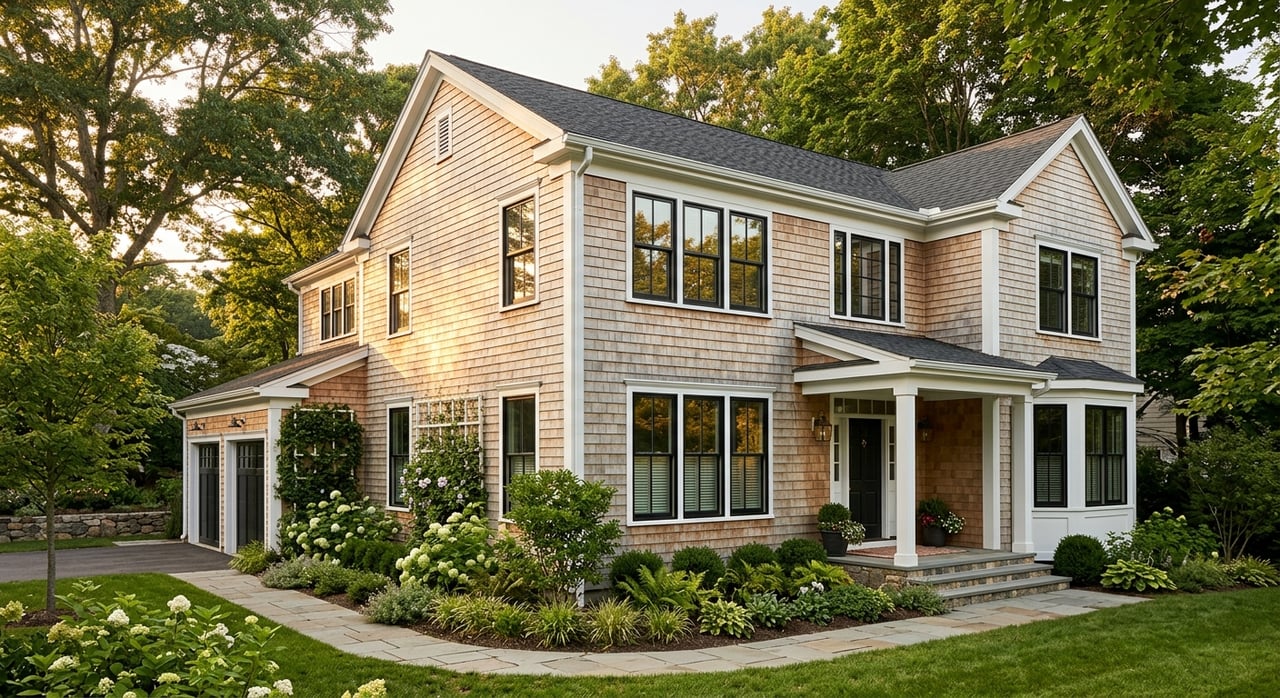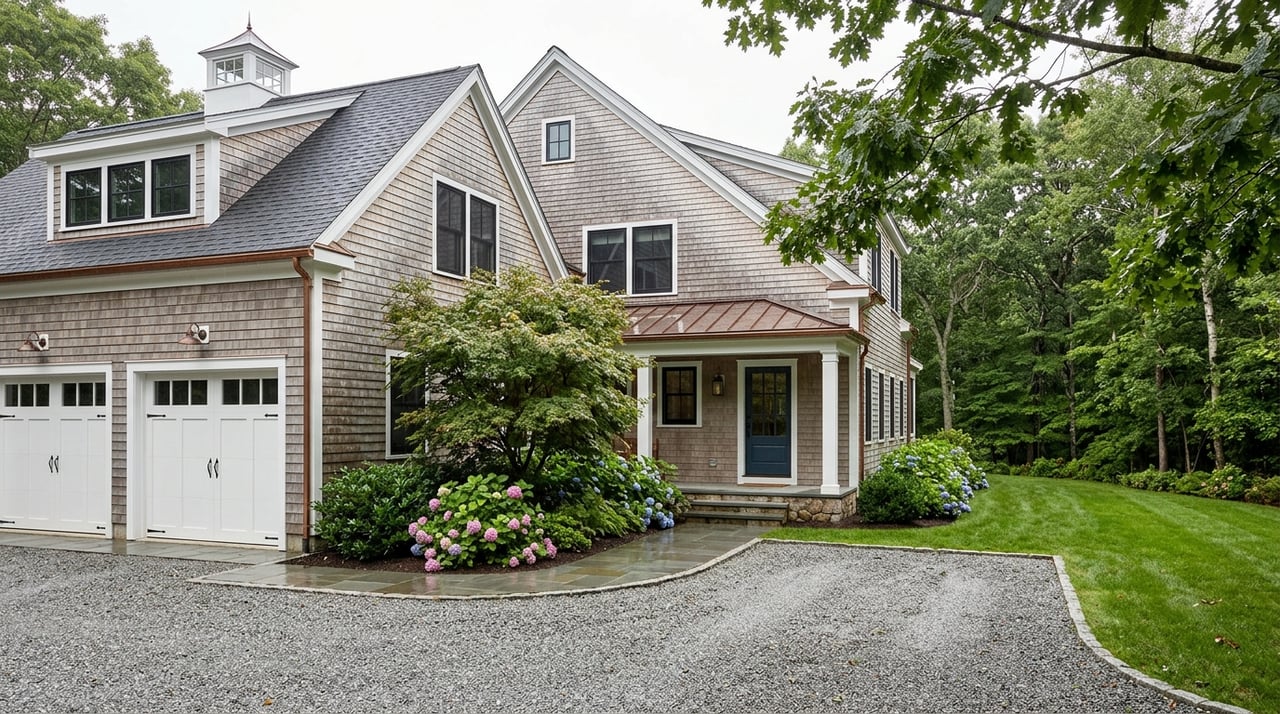
Thinking about buying in Marshfield? You are not alone. This coastal South Shore town offers a mix of year-round homes, condos, and waterfront properties, but buying here takes more than watching the list price. If you want to make a smart move, it helps to understand how Marshfield’s coastal setting, zoning, condition, and Massachusetts buying rules can shape your options. Let’s dive in.
Why Marshfield draws buyers
Marshfield sits about 30 miles south of Boston in Plymouth County and offers a distinctly coastal market. The town had an estimated 26,043 residents as of July 1, 2024, and about 81.0% of housing units are owner-occupied.
That owner-occupied profile matters because it helps explain why so much of the market centers on single-family homes. Marshfield’s housing stock is not one-note, though. The town also includes seasonal housing and rental stock, along with condos, townhouses, waterfront homes, vintage properties, and some new construction.
For many buyers, the appeal is simple. You get a coastal lifestyle, a range of housing types, and access to the broader South Shore, all in a town where location and property character can vary widely from one street to the next.
What homes cost in Marshfield
One of the biggest mistakes buyers make is assuming there is one true price point for the whole town. Marshfield does have a median sale price, but your actual budget range depends heavily on the type of property, its condition, and how close it sits to the water.
Redfin’s March 2026 snapshot shows a Marshfield median sale price of $750,000, which was down 21.3% year over year. At the same time, the Census estimate for the median value of owner-occupied homes is $621,300, which gives useful long-range context but does not reflect current list-by-list market reality.
A more practical way to look at pricing is by likely entry point:
- High $400,000s to high $500,000s for some condos or homes needing substantial work
- $700,000 to low $1 million range for many move-in-ready single-family homes
- $1.5 million and up for premium coastal or luxury properties
Condition can shift value quickly. Current examples in the market include an AS-IS four-bedroom home on a 0.46-acre lot at $549,900 that needs extensive updates, a move-in-ready three-bedroom home at $699,000, and higher-end homes with larger footprints or upgraded finishes at $1 million or more.
Why location matters so much
In Marshfield, location is not just about convenience or curb appeal. It can affect value, future plans for the property, and your long-term costs as an owner.
Coastal proximity is one of the clearest pricing drivers. Some near-coastal and waterfront examples on Ocean Street and Trouant’s Island range from roughly $920,000 to $2.4 million, which shows how strongly the market can value shoreline access and water views.
But coastal location also comes with added diligence. Marshfield’s hazard planning identifies flooding as the town’s most prevalent serious natural hazard, and the town has experienced erosion along much of its coastline for generations.
Understand lot size and zoning first
If you are comparing two homes with similar square footage, the lot may be a major reason one is priced much higher than the other. Marshfield’s zoning framework sets different minimum lot sizes in its base residential districts:
- R-1: 43,560 square feet
- R-2: 20,000 square feet
- R-3: 10,000 square feet
That means the same style home can carry different value depending on the parcel and what the zoning allows. If you are thinking beyond the current house and wondering about additions, accessory structures, or future expansion, this becomes even more important.
Marshfield also layers overlay districts on top of the base zoning map. These can include Coastal Wetlands, Inland Wetlands, Floodplain, Water Resource Protection, Stormwater Management Overlay, Planned Mixed-Use Development, and the Brant Rock Village Overlay.
In practical terms, a property’s exact district status can affect what you can build, expand, or change. Before you bid, especially on a coastal parcel or one near wetlands, confirm the zoning and overlay details for that specific lot.
Coastal risks should shape your strategy
Buying near the water can be rewarding, but you need to go in with clear eyes. Marshfield has about 4 miles of shoreline that are at least partially protected by seawalls, bulkheads, and jetties, yet the town’s own planning materials still point to ongoing flooding and erosion concerns.
FEMA’s coastal guidance reinforces that storm surge, wave action, and erosion are real factors in coastal communities. It also notes that flooding can happen outside high-risk zones, which is why flood map review matters even when a home is not obviously waterfront.
For buyers, this often means thinking beyond the mortgage payment. On ocean-facing or near-coastal homes, you may need to budget for:
- Flood insurance
- Drainage improvements
- Ongoing exterior maintenance
- Potential shoreline or seawall maintenance, depending on the property
This is not a reason to avoid the market. It is a reason to assess coastal homes carefully and price your comfort level into the purchase decision.
Condition changes the value equation
Marshfield has a broad mix of housing ages and renovation levels. That creates opportunity, but it also means you need to know whether you are paying for location, updates, lot value, or some combination of all three.
A home that appears attractively priced may need major work. Another may justify a much higher number because the systems, finishes, and layout have already been improved.
This is especially important in a town where older homes, coastal wear, and varying lot conditions can all influence what ownership will cost after closing. If a property seems priced below similar homes nearby, ask what work may be waiting for you.
Know the Massachusetts buying process
Marshfield buyers also need to understand how home purchases typically work in Massachusetts. The process is not identical to what buyers may expect in every state.
Massachusetts guidance generally advises buyers to get preapproved, work with an attorney, make an offer, and then sign a purchase and sale agreement after the offer is accepted. The state describes the offer as legally binding, and the purchase and sale agreement is typically prepared and agreed to by the attorneys representing both sides.
That structure makes preparation especially important. Before you submit an offer, you should already have your financing lined up, your attorney selected, and your diligence plan in mind.
Home inspection rules changed in 2025
This is one of the most important things to know if you are buying now. As of October 15, 2025, sellers and their agents in most residential sales of one to four units generally may not require a buyer to waive a home inspection as a condition of offer acceptance or sale agreement.
That includes many houses, condos, and co-ops. The seller or seller’s agent must provide the required written disclosure before or at the first written contract, and the buyer may choose a licensed home inspector and receive a reasonable period after contract execution to decide whether to proceed if the inspection is not satisfactory.
Buyers may still negotiate reasonable repair-cost thresholds or deposit-refund limits, but an inspection waiver generally cannot be required as a precondition to acceptance. For Marshfield buyers, that is a meaningful protection, especially in a market where age, moisture exposure, and coastal conditions can all affect a home’s condition.
What an inspection does and does not cover
A basic home inspection is valuable, but it has limits. Massachusetts says home inspectors must be licensed, and the inspection is limited to readily accessible and observable components.
You should also expect a written report, and the inspector should welcome your questions. That said, some specialty inspections and tests are not part of the standard inspection.
In Marshfield, that distinction matters. Depending on the property, you may need deeper review of issues related to moisture, flood exposure, drainage, or other site-specific concerns. If the home was built before 1978, lead-paint transfer notifications may also apply.
Septic can change your timeline
If the home relies on septic, start that review early. Massachusetts guidance says some transfer situations can require a septic upgrade or a sewer-connection agreement within two years after title transfer.
Local Marshfield regulations also tie septic systems to Title 5 and Board of Health requirements. In other words, septic is not something to leave for the last minute.
If you are comparing homes in Marshfield, especially on larger lots or in areas without sewer service, septic status can affect both your cost and your closing strategy.
A smart Marshfield offer strategy
In a market like Marshfield, winning is not just about offering the highest number. The better approach is usually a combination of clean financing, realistic pricing, and disciplined due diligence.
That means:
- Getting fully preapproved before you shop seriously
- Understanding whether the property’s price reflects condition, lot, or coastal location
- Reviewing flood exposure and zoning details early
- Building an inspection plan that protects you without creating confusion
- Looking carefully at septic if the property is not on sewer
This kind of preparation helps you compete without cutting corners. In Marshfield, that matters because the real differences between properties often sit below the surface.
How to buy with confidence
The best Marshfield purchases usually start with a clear match between your budget, your lifestyle goals, and the realities of the specific property. A charming coastal address may come with added flood or maintenance considerations. A larger lot may create flexibility, but zoning and overlays still matter. A lower list price may mean more renovation work than you first expect.
If you approach the town as a collection of micro-markets rather than one uniform market, you will make better decisions. Marshfield is best understood as a coastal, mostly single-family market where value is shaped by lot size, shoreline exposure, and condition more than by any single townwide number.
If you want thoughtful guidance on buying in Marshfield or anywhere along the South Shore, Regan Peterman offers a concierge-level, market-savvy approach designed to help you move with clarity and confidence.
FAQs
What is a typical home price range for buyers in Marshfield?
- Marshfield pricing varies widely, but current examples suggest entry points in the high $400,000s to high $500,000s for some condos or homes needing work, many move-in-ready single-family homes in the $700,000 to low $1 million range, and premium coastal homes well above $1.5 million.
Why do lot size and zoning matter when buying a home in Marshfield?
- Marshfield’s residential districts have different minimum lot sizes, and overlay districts such as wetlands, floodplain, and water-resource protections can affect what you may be able to build, expand, or change on a property.
Do Marshfield buyers need to check flood risk even if a home is not waterfront?
- Yes. Marshfield identifies flooding as a major local hazard, and FEMA notes that flooding can occur outside high-risk zones, so reviewing flood maps and property-specific exposure is an important step.
Can a seller require a home inspection waiver in Massachusetts?
- In most residential sales of one to four units, as of October 15, 2025, sellers and their agents generally may not require a buyer to waive a home inspection as a condition of acceptance or sale agreement.
What should buyers know about septic systems when buying in Marshfield?
- If a Marshfield property uses septic, you should review that early because Massachusetts says some transfer situations can require an upgrade or sewer-connection agreement, and local requirements also apply through Title 5 and Board of Health rules.