If you want a South Shore town that feels coastal without feeling seasonal, Kingston deserves a closer look. For many buyers, the challenge is finding a place that offers everyday convenience, a real sense of community, and easy access to the water without giving up practical commuting options. This guide will walk you through what daily life looks like in Kingston’s village and harbor areas, from local routines and housing character to getting around and enjoying the shoreline. Let’s dive in.
Kingston Feels Lived-In Year Round
Kingston is a coastal community about 35 miles south of Boston and 35 miles north of Cape Cod. The town describes itself as principally residential, with about 14,000 residents, including many commuters along with fishermen and cranberry growers. That combination gives Kingston a grounded, year-round feel rather than a resort-town rhythm.
The town’s land use also helps explain that character. According to Kingston’s master plan, about 76% of town land is used for residential purposes, mainly single-family homes. If you are searching for a place that feels established and residential first, Kingston fits that picture well.
Village Life Centers on Main Street
The village core is where Kingston’s civic life comes into focus. Route 3A, also known as Summer Street, functions as the town’s main street through the center, connecting daily errands, town services, and community gathering spots. It is the kind of layout that helps everyday life feel organized and familiar.
Several key community resources sit close together in the village center. The Kingston Public Library is on Green Street, the Adams Center is across from it, and the Senior Center is nearby on Evergreen Street. Parks and Recreation also supports adult and children’s programming, which adds to the sense that the town center is used for more than quick stop-ins.
What stands out most is that Kingston’s public life is visible. Town events include ceremonies on the Town Green, a parade, Olde Home Day, historical programming, scavenger hunts, and open house events on Main Street. That steady use of the village center gives the area an active, connected feel.
Harbor Living Is Casual and Accessible
Kingston’s waterfront identity is practical and approachable. Instead of revolving around a large marina district, harbor life here is centered on public access to beaches, the river, and outdoor spaces that support everyday use. That makes the waterfront feel like part of normal daily living, not just something reserved for weekends.
Town information highlights Gray’s Beach, AhDeNah Landing on the Jones River, fishing, shellfishing, and open-space hiking. The Harbor Master’s House on River Street includes a boat ramp and picnic tables, which reinforces the town’s emphasis on usable public waterfront spaces. These are the kinds of places that can become part of your regular routine.
If you like spending time near the water, Kingston offers a low-key version of coastal living. You might start the morning with a walk, spend part of the day by the river, or plan around beach access when the weather is good. The lifestyle feels woven into the town rather than set apart from it.
What to Know About Shellfishing and Beach Use
Shellfishing is part of Kingston’s coastal culture, but it is regulated through the town. Shellfish licenses are issued through the Selectmen’s office, and the town’s 2026 shellfish season runs from April 1 through October 31. If that activity appeals to you, it is worth understanding the local rules before making it part of your routine.
Beach conditions also vary based on testing. The Health Department posts beach-testing results, and Gray’s Beach and Rocky Nook Beach may be closed to swimming if bacterial test results are elevated. For day-to-day living, that means it is smart to treat waterfront access as a major asset while also staying aware of seasonal and public-health updates.
Daily Errands Stay Close to Home
One of Kingston’s strengths is that many everyday needs can be handled locally. Dining in town is practical and varied, with places that support real routines instead of only special occasions. That matters when you are choosing a town you plan to live in full time.
In the center, Early Bird Cafe on Main Street serves breakfast and lunch daily from 7:00 a.m. to 2:00 p.m., which fits naturally into a morning coffee or midday meet-up routine. For dinner, Solstice operates from a renovated 19th-century train station in Kingston Center, adding a layer of local character to an evening out. These details give the village area a comfortable, lived-in rhythm.
For shopping and convenience, Kingston Collection adds retail, a movie theater, and national-brand options. RK Center near Route 3 Exit 20 provides another corridor of services and daily errands. Together, those destinations make it easier to stay local for regular needs.
Commuting Is Part of the Appeal
For many buyers, Kingston works because it balances a coastal setting with regional access. The town notes that many residents use the MBTA Old Colony Train for trips to Boston and points north. That commuter rail option adds flexibility for people who want South Shore living but still need access to the city.
Road connections are another part of the picture. Kingston’s master plan notes that Route 3 serves the east side of town, with access at Exits 8, 9, and 10. With Route 3A running through the center and Route 3 nearby, the town connects village life to broader travel in a straightforward way.
This combination shapes everyday pace. You can have a town-centered routine, public waterfront access, and local services while still maintaining commuting options. For many buyers, that is exactly the balance they are looking for.
Housing Has More Variety Than You Might Expect
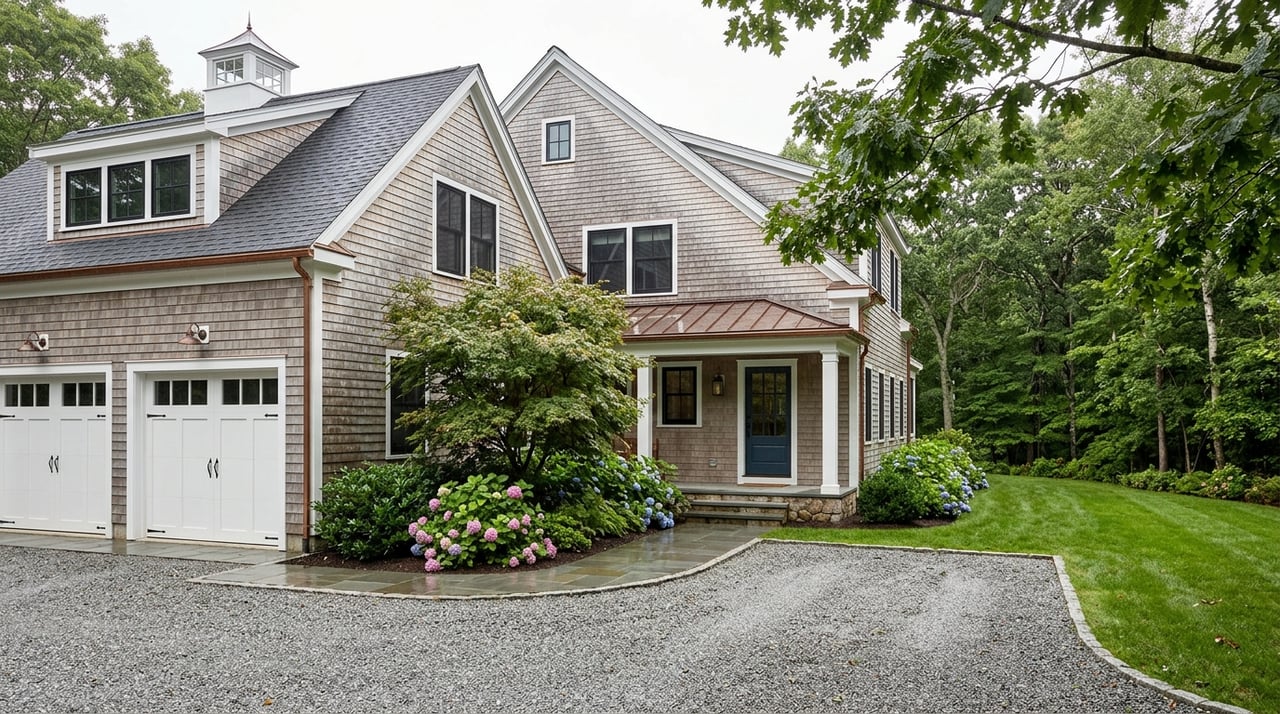
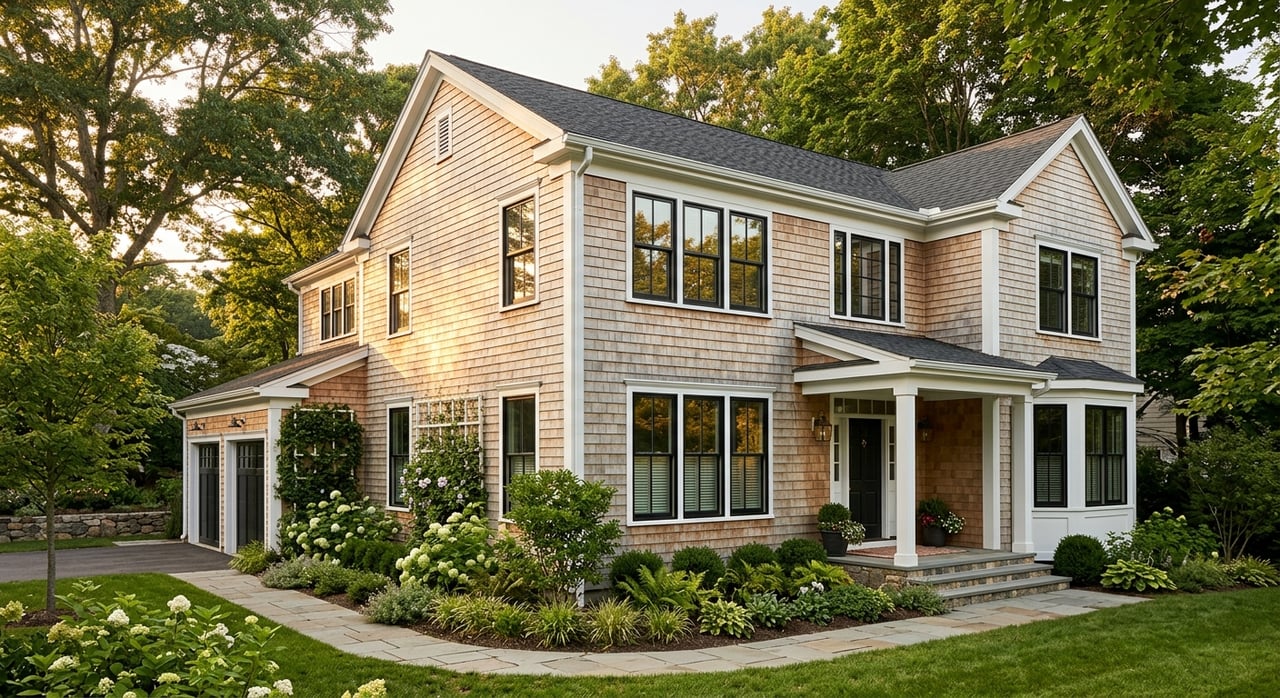
Kingston does not read as one uniform neighborhood type. The town’s master plan describes a mix of traditional and historic village homes, seaside cottages at Rocky Nook, postwar neighborhoods, and larger single-family homes on cul-de-sac streets. That range creates different lifestyle options within the same town.
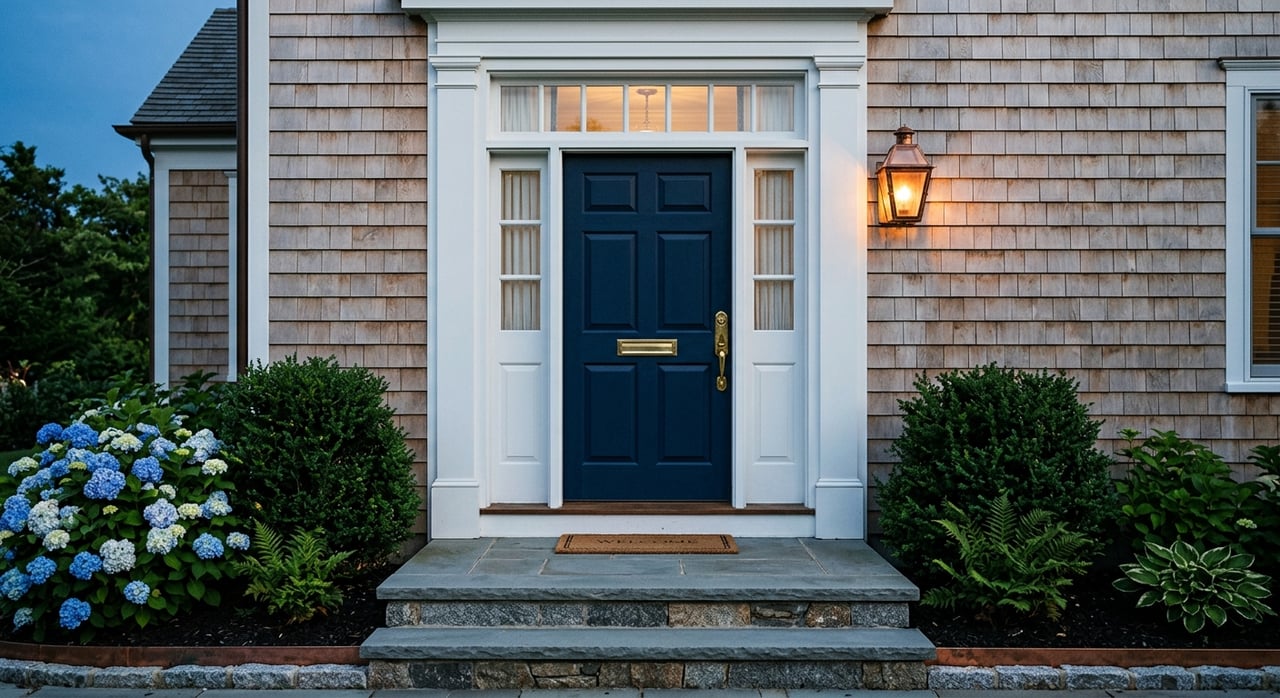
If you are drawn to older homes and established settings, the historic village character may be especially appealing. Kingston also has a historic house plaque program for homes that are 80 years or older, which reflects the town’s awareness of its older housing stock. For buyers who appreciate period detail or a sense of place, that is a meaningful part of Kingston’s identity.
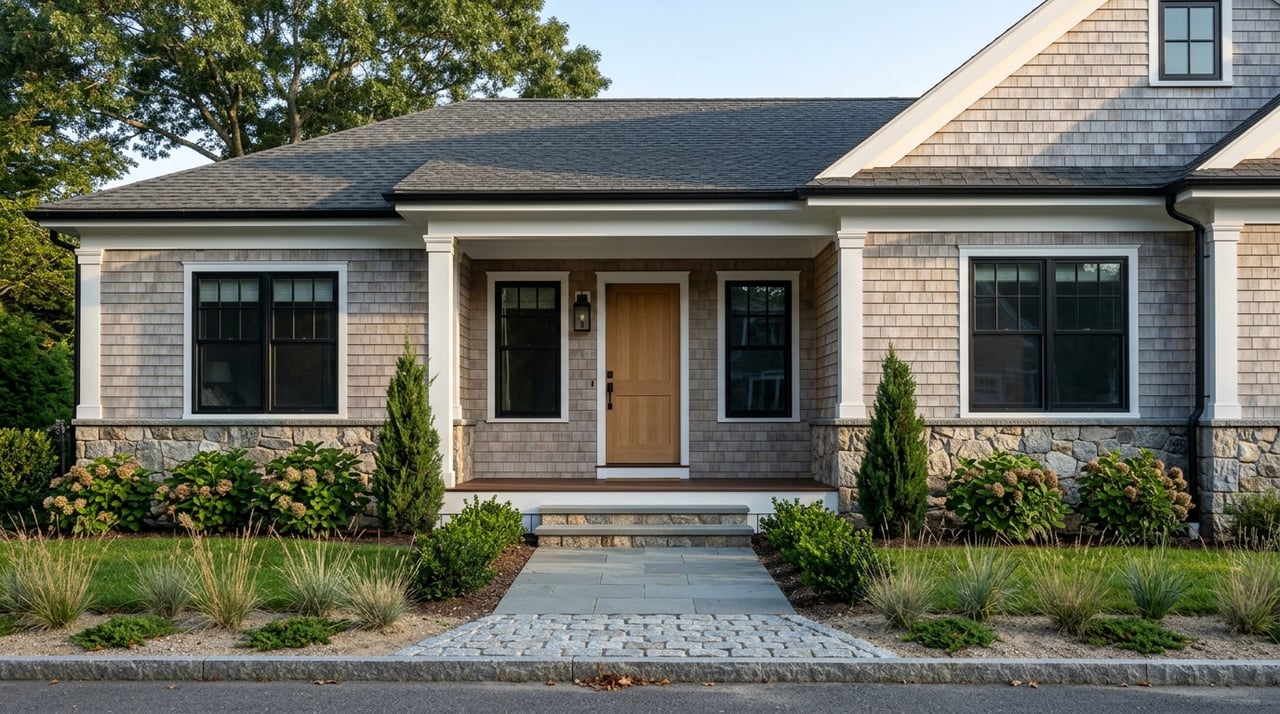
At the same time, the town includes more suburban housing patterns and larger-lot homes. That means your search can include a wider range of home styles and settings, whether you prefer a village feel, a cottage-like coastal setting, or a more traditional neighborhood layout. From a real estate perspective, that variety is part of what makes Kingston interesting.
Why Kingston Appeals to South Shore Buyers
Kingston offers a blend that can be hard to find. You get coastal access, a visible civic center, a largely residential setting, and practical transportation links. The town feels approachable and functional, which is often exactly what buyers want when they are looking beyond a purely seasonal shoreline market.
For design-conscious buyers, Kingston’s appeal often comes down to texture and setting. The mix of historic homes, cottages, and single-family neighborhoods gives the town layers. Instead of a one-note housing landscape, you find places with different stories, scales, and surroundings.
For sellers, that same variety creates an opportunity to position a home thoughtfully. Whether a property offers historic detail, proximity to the village, or easier access to the waterfront, the lifestyle story matters. In a town like Kingston, buyers are often responding to how a home fits into everyday living as much as to square footage alone.
If you are considering a move to Kingston, it helps to look beyond a map search and think about your actual routine. Where will you grab coffee, spend time outside, run errands, or connect to work and family commitments? Kingston stands out because those answers often stay simple.
Whether you are buying a home with character or preparing to sell a property that deserves careful presentation, local insight makes a difference. If you want thoughtful guidance on Kingston and the surrounding South Shore market, Regan Peterman offers a polished, hands-on approach tailored to buyers and sellers who value both lifestyle and strategy.
FAQs
What is everyday life like in Kingston, MA?
- Everyday life in Kingston feels residential, coastal, and practical, with a town-center village, public waterfront access, local dining, and commuting options to Boston and other South Shore destinations.
Does Kingston, MA have a real downtown or village center?
- Yes. Kingston’s village center runs along Route 3A and Summer Street, where you will find civic buildings, the library, community events, and local dining that support daily routines.
What waterfront access is available in Kingston, MA?
- Kingston offers public access points including Gray’s Beach, AhDeNah Landing on the Jones River, and the Harbor Master’s House on River Street, which includes a boat ramp and picnic tables.
Can you go shellfishing in Kingston Harbor?
- Yes, but shellfishing is regulated by the town, and you need to follow local licensing rules and seasonal regulations.
Is Kingston, MA good for commuters?
- Kingston offers both commuter rail access through the MBTA Old Colony Train and road access via Route 3, which supports travel to Boston and other nearby areas.
What kinds of homes are common in Kingston, MA?
- Kingston includes a mix of historic village homes, Rocky Nook cottages, postwar houses, and larger single-family homes, giving buyers a range of styles and settings to consider.