If you are selling an oceanfront home in Marshfield, you are not just listing a house. You are bringing a highly specific coastal property to a small pool of serious buyers who compare views, shoreline condition, layout, and resilience features very closely. When the first showing usually happens online, your marketing needs to do more than look beautiful. It needs to answer real questions, build confidence, and make the home feel worth a closer look. Let’s dive in.
Marshfield oceanfront buyers shop differently
Oceanfront buyers in Marshfield are rarely making a casual decision. They are looking at a limited number of homes, often in submarkets like Ocean Bluff, Brant Rock, and Green Harbor, where ocean proximity, view lines, and shoreline conditions can affect value and interest.
That local context matters. Marshfield has about five miles of Atlantic shoreline, but not every stretch of coast presents the same way or appeals to the same buyer. A home in one coastal pocket may compete very differently from a home just a short distance away.
As of April 2026, Marshfield was described as a seller’s market with 44 active listings, a median listing price of $867,000, median sold price of $750,000, 24 median days on market, and a 98% sale-to-list ratio. In Ocean Bluff and Brant Rock, there were only 8 active listings, with a median listing price of $749,999 and 22 median days on market.
That tells you two things. Inventory is still tight, but buyers are still paying attention to price and comparables. If your home is positioned well, it can stand out quickly. If it is priced or presented loosely, buyers have enough information to pause.
Digital first impressions matter most
For a Marshfield oceanfront listing, the first showing is usually digital. According to 2024 buyer trend data, all home buyers used the internet in their home search, 43% started by looking online for properties, and 88% used a real estate agent.
Buyers also spent a median of 10 weeks searching and typically viewed seven homes, including two viewed online only. That means your listing media is not just support material. It is often the filter that determines whether a serious buyer books a showing at all.
The listing features buyers valued most were photos, detailed property information, and floor plans. Open houses and online video also played an important role in how buyers gathered information.
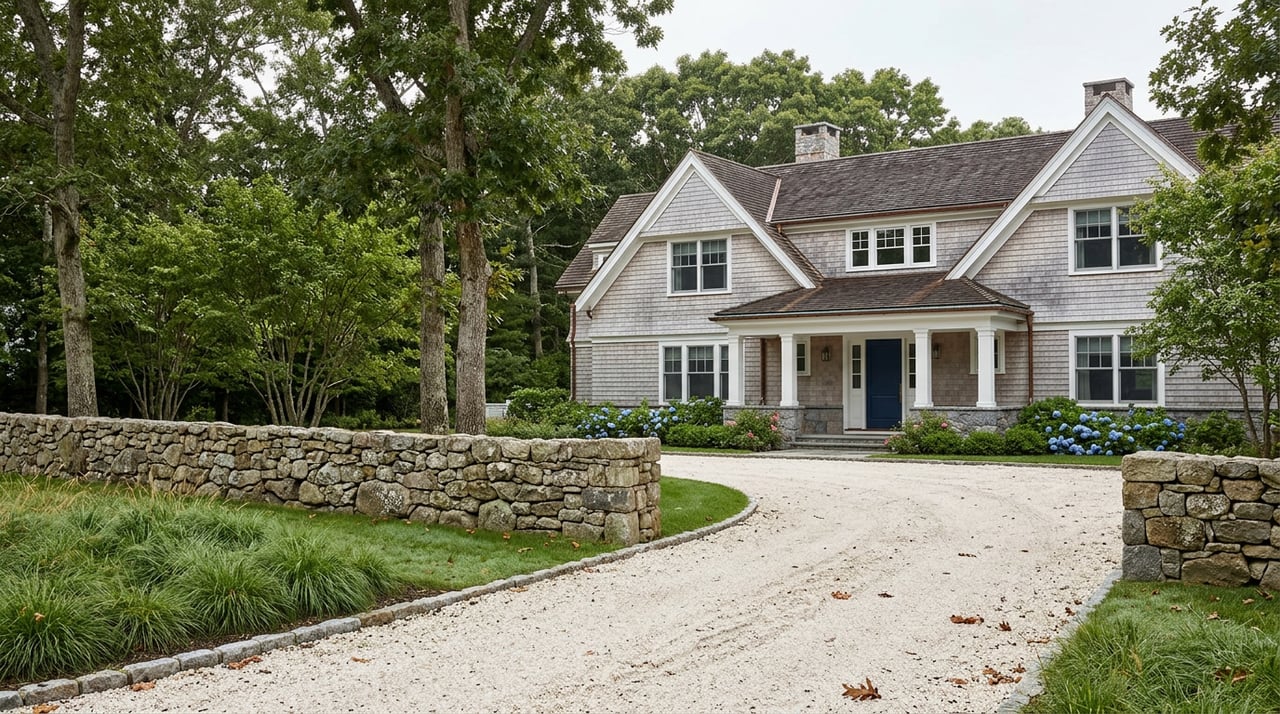
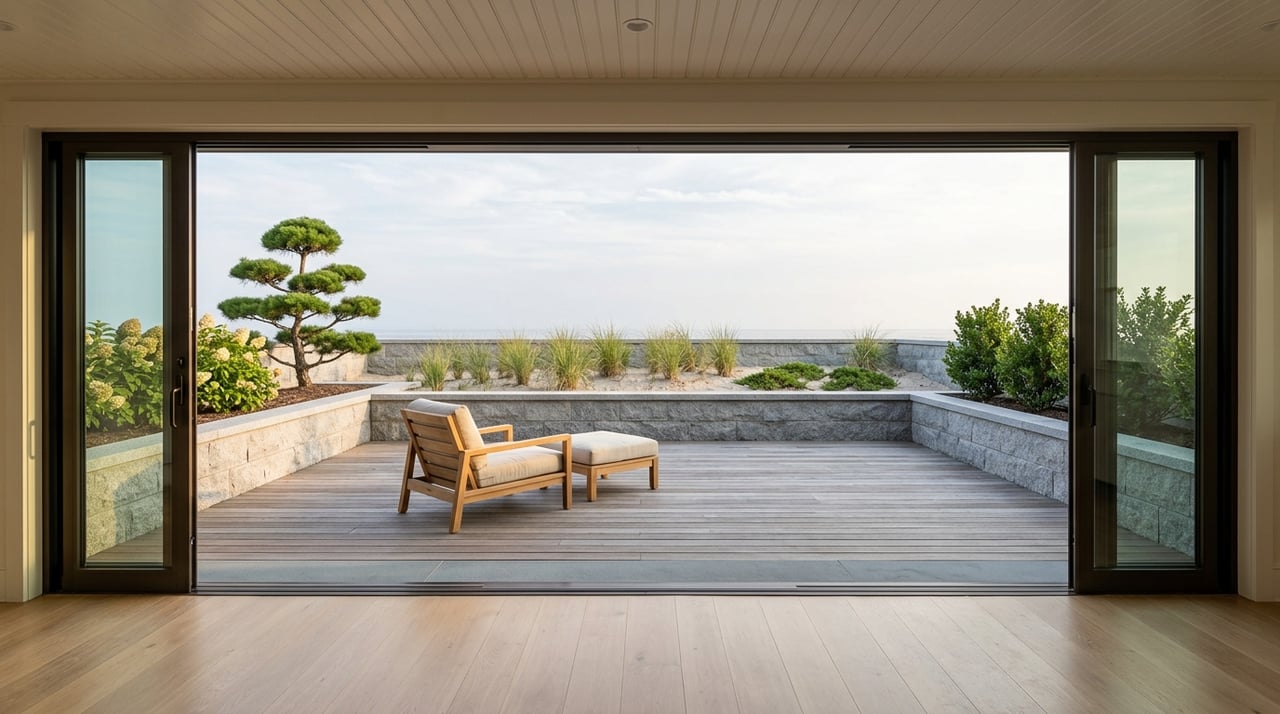
For an oceanfront home, this has a clear takeaway. Your marketing should help buyers understand the home immediately, not make them guess. They should be able to see the light, layout, sightlines, and indoor-outdoor connection before they ever step inside.
Presentation should show coastal living
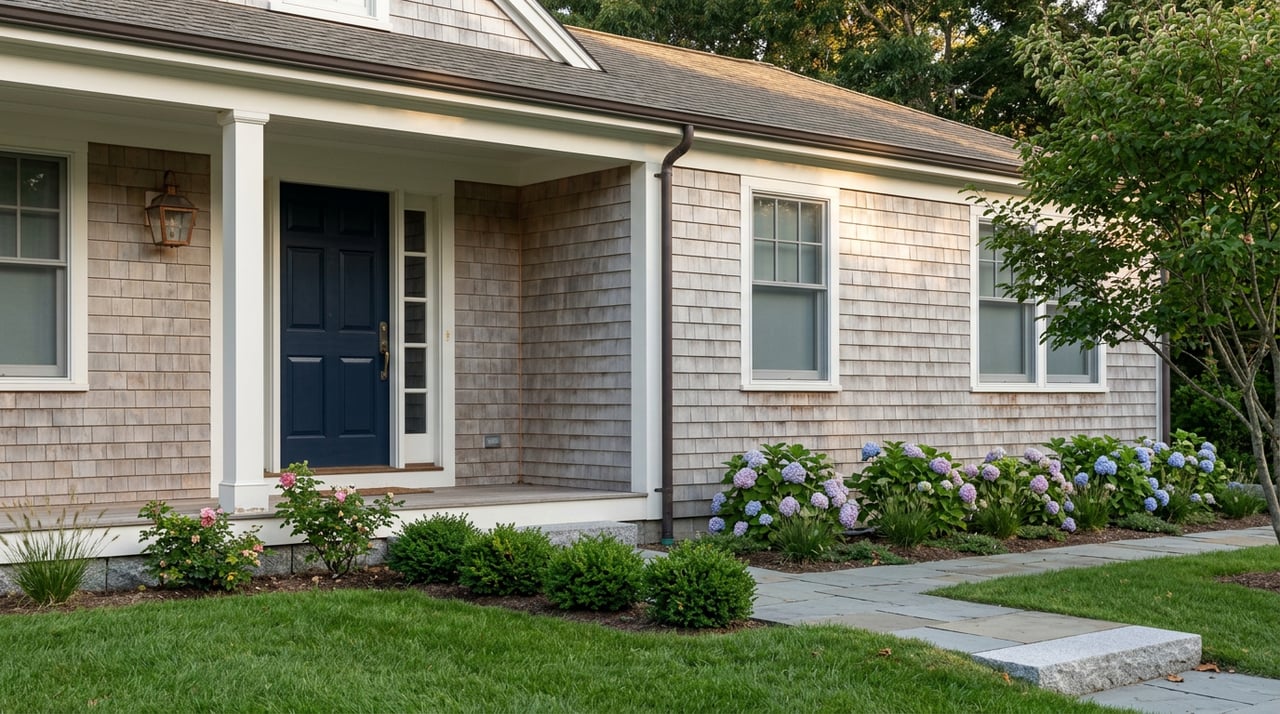
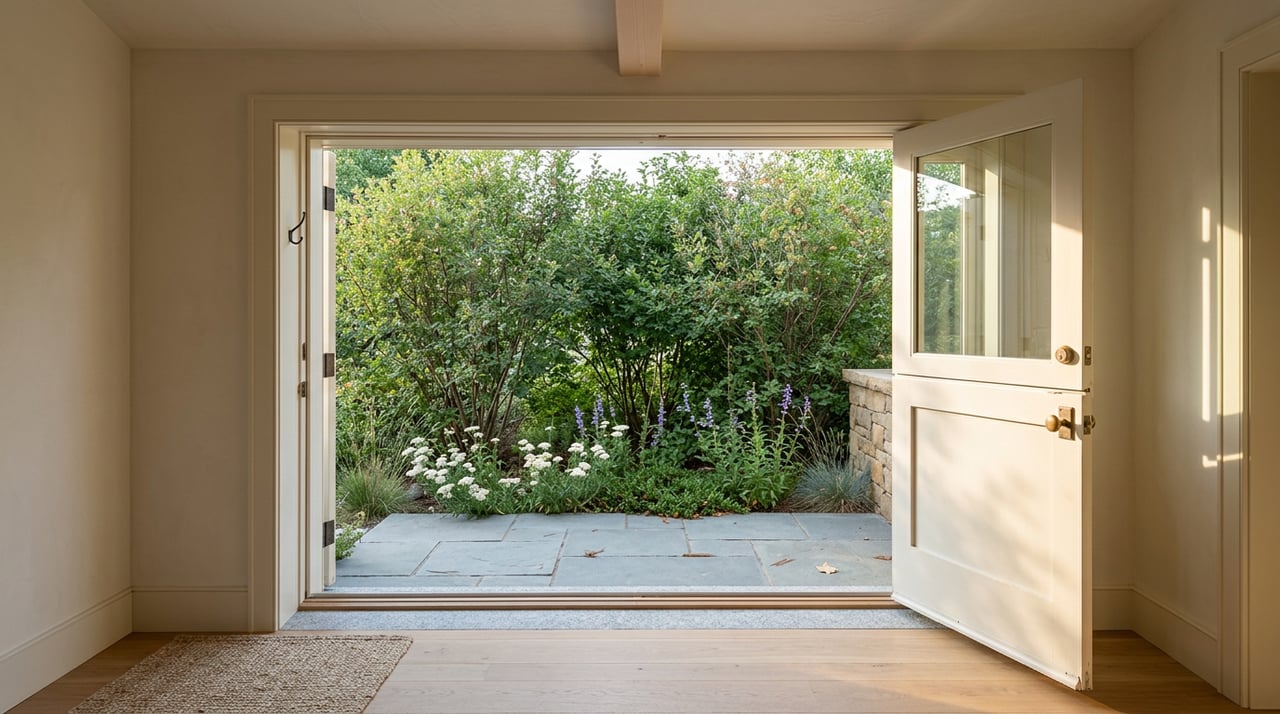
Beautiful views help, but scenic shots alone do not sell a serious oceanfront property. Buyers also want to understand how the home lives day to day. They want to picture mornings with natural light, easy entertaining, and a layout that makes the setting feel integrated into the home.
Staging plays a real role here. In the 2025 staging survey, buyers’ agents rated photos, physical staging, videos, and virtual tours as much or more important for listings. Some also reported that staging increased offers by 1% to 5%.
The most commonly staged rooms were the living room, primary bedroom, and dining room. For a Marshfield oceanfront home, these spaces often carry the emotional weight of the listing. They are where you want clear view corridors, uncluttered windows, and furnishings that support scale without distracting from the setting.
A design-led strategy can make a major difference in this segment. When the marketing feels curated and intentional, buyers are more likely to interpret the home as well cared for, thoughtfully positioned, and worth their time.
Pricing needs local precision
Pricing an oceanfront home in Marshfield is not just about broad town averages. It requires close attention to the immediate submarket, the quality of the setting, and the buyer expectations attached to that exact stretch of coastline.
National timing advice can be useful, and Realtor.com identified April 12 to 18 in 2026 as the national best time to sell. But even that guidance notes that local conditions matter more than a generic seasonal rule.
In Marshfield, low inventory and relatively short days on market can create opportunity, but they do not guarantee that buyers will accept aspirational pricing. In a small coastal inventory pool, buyers tend to compare hard. They notice differences in shoreline condition, exterior protection, lot usability, and how directly the home captures the water.
That is why pricing should be grounded in nearby comparable homes, not just a broad assumption that oceanfront always commands a premium without resistance. Serious buyers will pay attention to nuance, and your pricing strategy should reflect that.
Current photography is essential
Oceanfront marketing depends on accuracy as much as beauty. In Marshfield, shoreline erosion and wave action continue to affect local beaches and seawalls, and some coastal areas have little or no remaining high-tide beach.
That makes outdated listing photos risky. Older summer images may no longer reflect the current setting, beach width, shoreline condition, or how the home sits in relation to the water.
Fresh photography helps serious buyers trust what they are seeing. It also reduces the chance of disappointment during showings, which is especially important in a coastal market where visual expectations are high and site-specific conditions matter.
If a property’s waterfront story has changed, the marketing should respond honestly and strategically. Strong positioning does not mean hiding reality. It means presenting the home clearly, attractively, and credibly.
Resilience features should be part of the story
In Marshfield, serious buyers are likely to ask detailed questions about storm exposure, seawalls, maintenance history, and prior mitigation work. These are not fringe concerns. They are part of how informed buyers evaluate oceanfront ownership.
Town planning documents note that about four miles of Marshfield shoreline are at least partly protected by seawalls, bulkheads, and jetties, while sea level rise and storm-driven erosion can still undermine those protections. The same planning materials note that the Brant Rock seawall was raised by 3.5 feet over 1,200 feet and that some nearby homes have been elevated or floodproofed.
If your property includes resilience-related improvements, they should be documented and presented clearly. Buyers may see these features as a sign of thoughtful ownership, especially when they are paired with permits, records, and a clear explanation of the work.
This is where preparation can strengthen your negotiating position. A well-organized seller is often more convincing than a seller scrambling to answer basic coastal questions after the listing goes live.
Launch with answers ready
Oceanfront buyers usually ask sharper questions earlier in the process. They may want to know the flood zone status, likely insurance considerations, whether recent work was permitted, how the beach or water access changes at high tide, and whether there has been prior storm or seawall work.
Marshfield’s wetlands regulations also matter. Work within 100 feet of a coastal beach or tidal flat may be more review-sensitive than buyers expect, and some additions or exterior improvements can trigger additional scrutiny.
Massachusetts also requires written disclosure of the buyer’s home-inspection rights before the first purchase contract, and sellers or agents generally may not condition acceptance on waiving an inspection. In practical terms, this means a coastal listing should be launch-ready from the start.
A prepared seller packet may include:
- Flood-zone confirmation
- Any elevation certificate
- Insurance history
- Permits or approvals for shoreline, structural, or exterior work
- Records related to repairs, mitigation, or floodproofing
When buyers get clear information early, they are more likely to stay engaged. Transparency helps reduce friction and keeps the focus on the home’s value rather than unresolved questions.
Serious exposure needs serious execution
An oceanfront home in Marshfield deserves more than a standard listing template. In this segment, quality marketing is part of the value proposition. The goal is not only to attract attention, but to attract the right attention from buyers who understand the category and are ready to act.
That means combining polished visuals, accurate pricing, current property information, and a clear narrative about how the home lives. It also means presenting the property with enough depth that out-of-area and coastal-savvy buyers can assess it confidently.
For sellers, the real advantage comes from a strategy that blends presentation with preparation. When the home looks exceptional and the details are organized, you create momentum with serious buyers instead of wasting time on preventable objections.
If you are thinking about selling your Marshfield oceanfront home, a marketing-first, concierge approach can help you position it with clarity, confidence, and the level of exposure this type of property deserves. To start the conversation, connect with Regan Peterman.
FAQs
What makes marketing a Marshfield oceanfront home different from marketing another Marshfield home?
- Oceanfront homes compete in smaller, highly location-sensitive submarkets where buyers compare views, shoreline condition, flood-related factors, layout, and resilience features more closely.
What listing photos matter most for a Marshfield coastal home?
- Current, high-quality photos that clearly show the home’s light, layout, views, and relationship to the shoreline matter most, especially because older images may not reflect present coastal conditions.
Why is pricing a Marshfield oceanfront home so specific?
- Buyers in this segment often compare a small number of nearby listings carefully, so pricing needs to reflect immediate coastal comparables and property-specific factors rather than broad town averages alone.
What questions do serious buyers ask about Marshfield oceanfront properties?
- They often ask about flood zone status, insurance history, prior storm or seawall work, changes at high tide, and whether repairs or additions were properly permitted.
What should sellers prepare before listing an oceanfront home in Marshfield?
- A strong pre-listing package may include flood-zone confirmation, an elevation certificate if available, insurance history, and permits or approvals related to shoreline or structural work.
How important are staging and video for a Marshfield waterfront listing?
- They are very important because buyers often start online, and strong staging, photos, and video help them understand how the home looks, feels, and functions before an in-person showing.