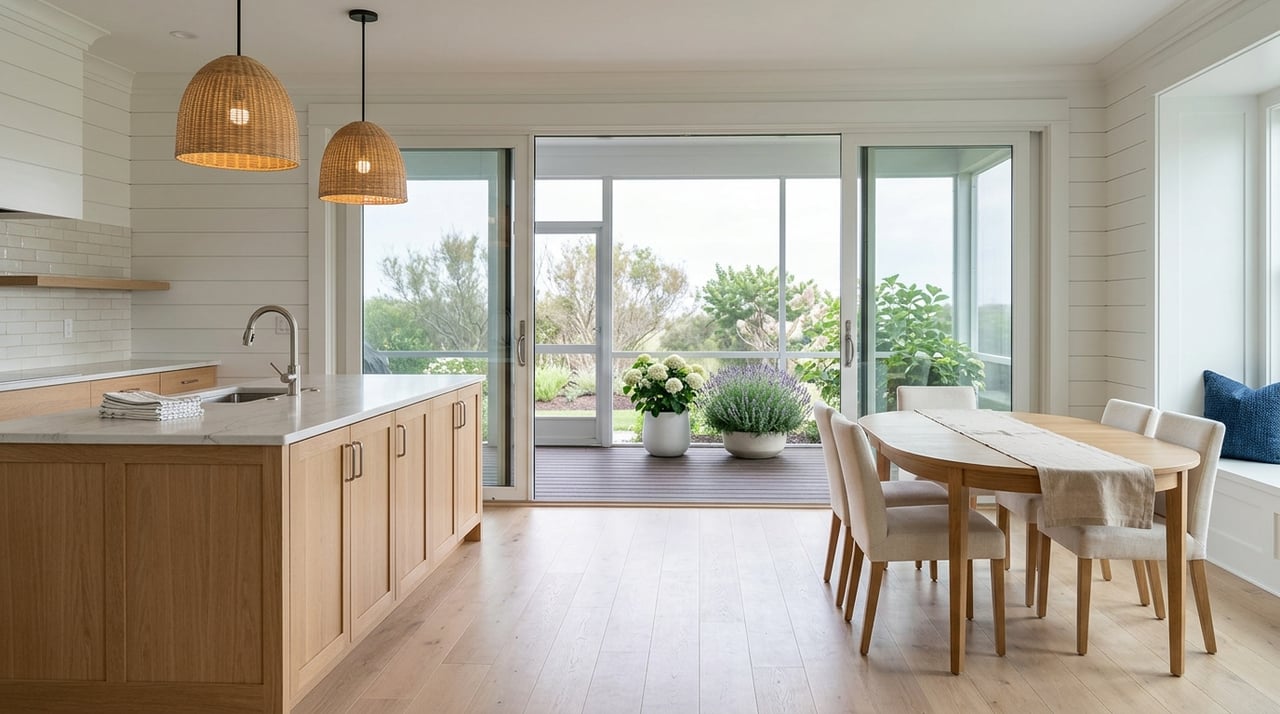
If you own a home in Powder Point, you already know the setting does a lot of the design work for you. Between the bay, the bridge, and the area's long architectural history, the best interiors and exteriors here tend to feel calm, timeless, and connected to the coast without leaning into clichés. If you are updating a house for your own enjoyment or thinking ahead to future resale, the right design choices can help your home feel more beautiful, more practical, and more in tune with its setting. Let’s dive in.
Why Powder Point design feels different
Powder Point is not just a generic beach neighborhood. It is a distinct peninsula setting in Duxbury Bay, connected by the Powder Point Bridge, and its development as a summer community dates back to the late 1800s. Duxbury’s historic-district materials note that Powder Point includes about 150 homes, which helps explain why the area feels established and visually cohesive.
That context matters when you make design decisions. In a place with a strong architectural identity, the most successful homes usually reflect the local rhythm rather than fight against it. For buyers, that often reads as more authentic. For sellers, it can also support a more compelling presentation.
Choose understated coastal style
The most fitting look for Powder Point is usually restrained coastal design. According to Architectural Digest’s guide to coastal interiors, the style works best when it uses soft tones, natural materials, clean lines, and a strong connection to light and views.
That means you do not need overt nautical decor to make a home feel coastal. In fact, Powder Point homes often feel stronger when they borrow from the landscape itself. Think sky, salt marsh, driftwood, stone, and weathered texture instead of shells, signs, and themed accessories.
Use a quiet color palette
A soft palette tends to age well in coastal homes. Good options include light neutrals, creams, washed whites, pale gray-greens, muted blues, and driftwood-inspired tones.
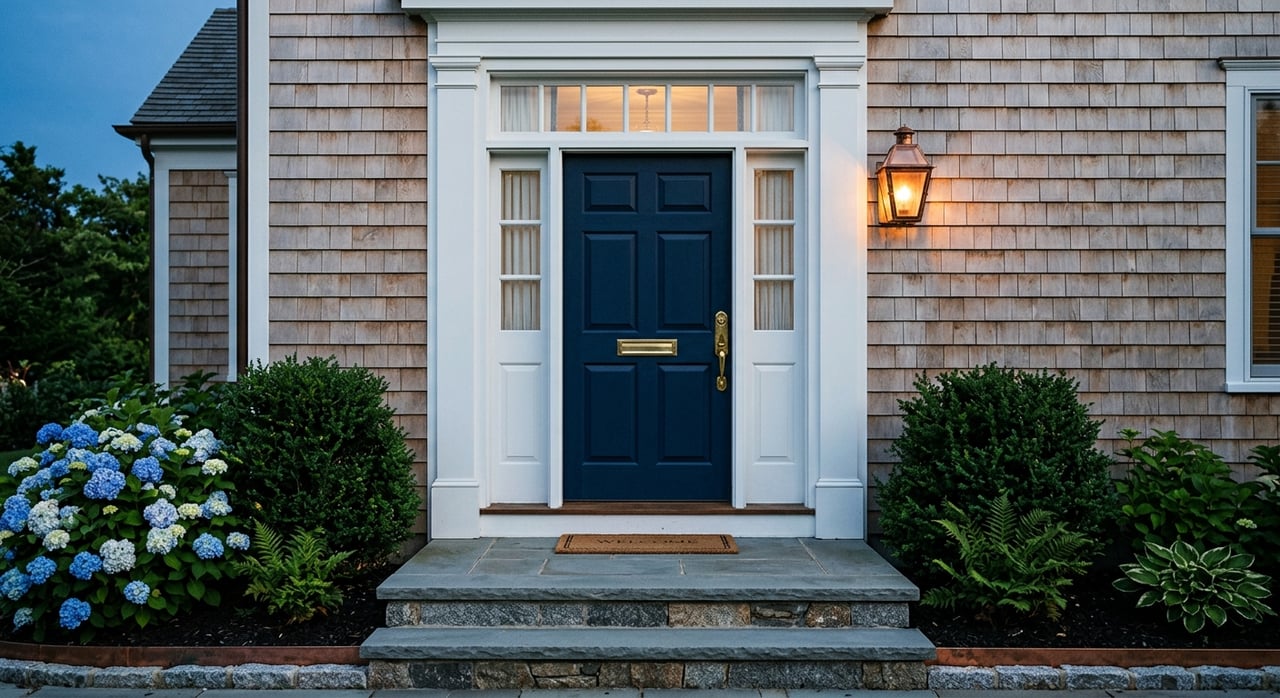
These colors help natural light bounce through the house and keep the focus on architectural details and outdoor views. If you want contrast, small doses often work best. Black entry accents, warm woods, or reclaimed brick can add depth without overwhelming the space.
Favor texture over pattern
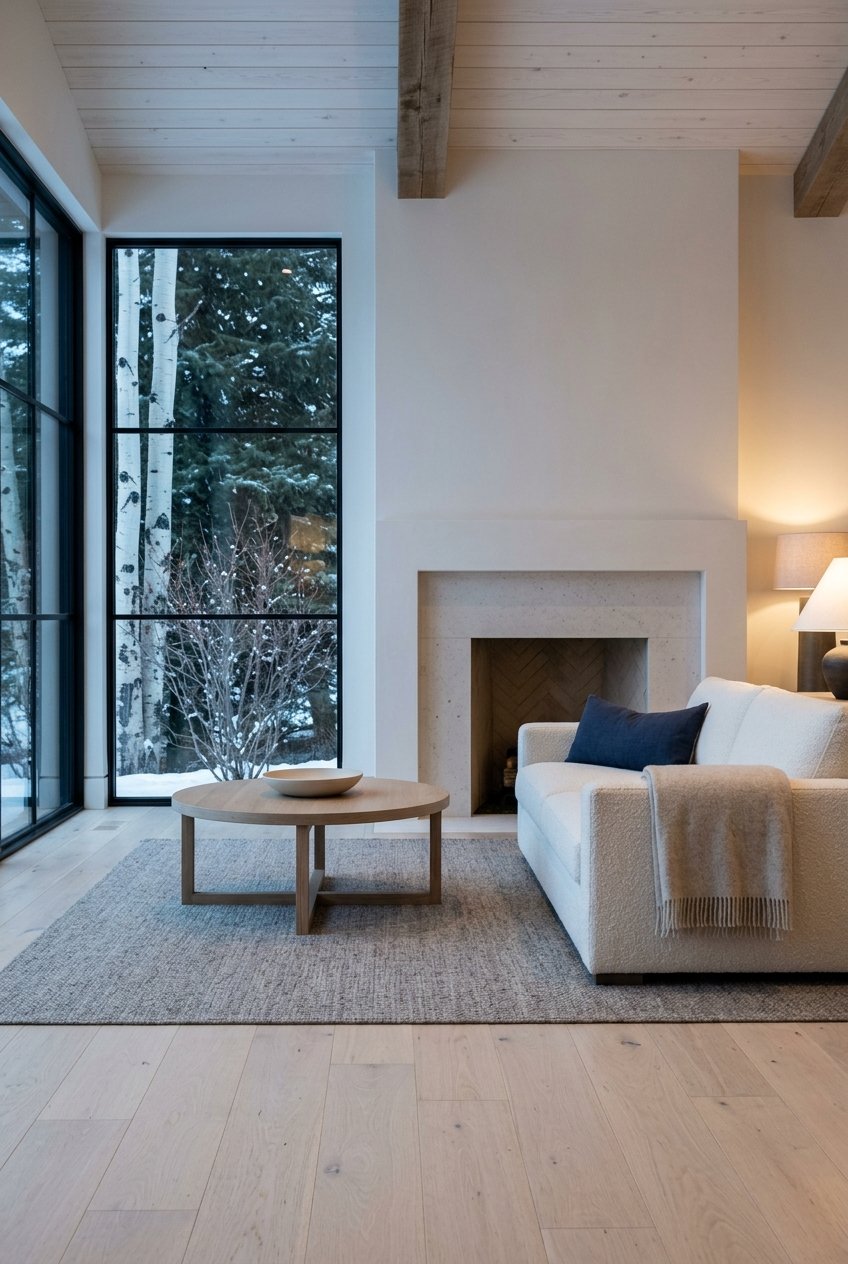
Texture is often what makes a Powder Point home feel layered and refined. Linen, jute, rattan, grasscloth, plaster, wood, and stone can bring warmth while still keeping the look relaxed.
Heavy pattern or high-contrast finishes can feel too busy in rooms where the real focal point should be the light, the windows, or the water. When you keep the materials natural and the palette controlled, the result usually feels more lasting and more elevated.
Work with Powder Point architecture
Powder Point’s architectural baseline is varied, but it leans traditional. Duxbury’s local historic materials identify Colonial, Federal, Colonial Revival, Ranch, and Craftsman or Queen Anne influenced homes in the area, while Historic New England’s architectural style guide ties Shingle Style and Colonial Revival closely to coastal New England.
That does not mean your home has to feel old-fashioned. It means updates usually look best when they respect the original form and proportions of the house. A thoughtful renovation can still feel fresh, bright, and current while honoring what already makes the property distinctive.
Shingle Style homes
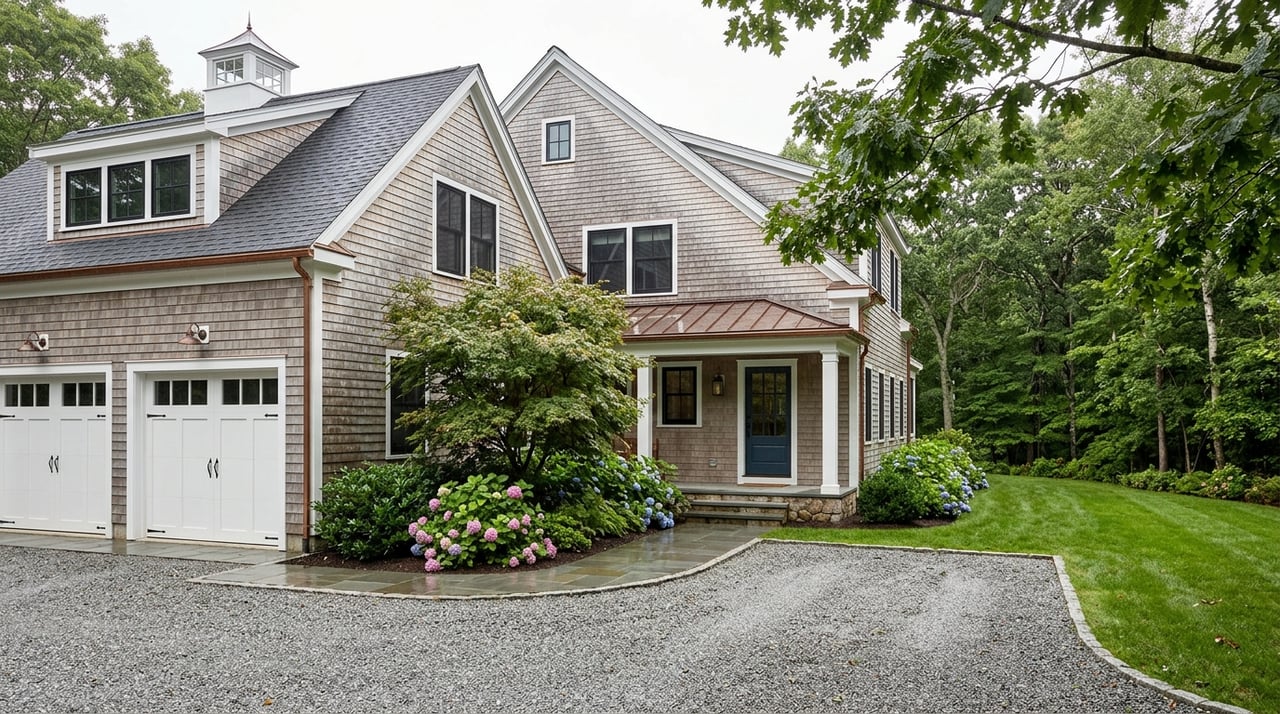
If your home has Shingle Style cues, lean into elements that feel organic and relaxed. Continuous wood shingles, broad porches, and asymmetrical massing are all part of that vocabulary.
Inside, that often translates well into soft textures, generous gathering spaces, and a strong indoor-outdoor connection. Furnishings can feel tailored but not rigid. The goal is comfort with polish.
Colonial Revival homes
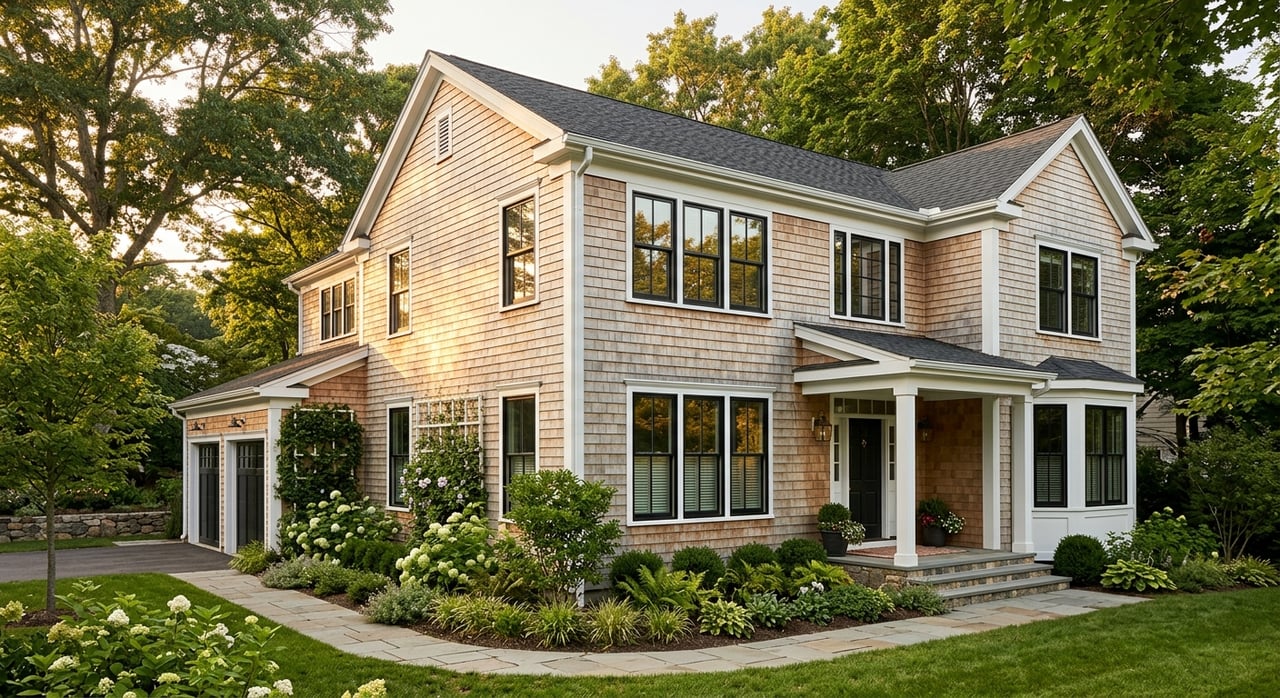
If your home leans Colonial Revival, symmetry and order matter more. Centered entries, multi-pane windows, and balanced room arrangements often guide the design.
Here, coastal updates should feel crisp and edited. A lighter palette, classic millwork, and simple natural finishes usually fit better than highly modern exterior changes or overly casual decor.
Plan around views and circulation
In Powder Point, one of the smartest design moves is to let the setting lead. Architectural Digest highlights large windows, French doors, sunrooms, and easy indoor-outdoor flow as core coastal elements, and those ideas make particular sense here.
If you are renovating, think about where your eye lands when you walk into a room. Can furniture placement open up a view? Can a doorway, porch, or seating area make daily life feel more connected to the bay and changing light?
Prioritize everyday gathering spaces
The rooms that tend to matter most are the ones where people naturally spend time. Living rooms, kitchens, sunrooms, and porches benefit from simple layouts that support conversation, comfort, and views.
Try not to overfill them. In coastal homes, breathing room is part of the design. A lighter furniture plan often helps the house feel larger, calmer, and more functional.
Make the entry work harder
Duxbury’s coastal-resiliency materials note recurring flooding concerns around Powder Point and nearby roads, including areas near Powder Point Avenue, Washington Street, and King Caesar Road. That makes practical transition spaces especially valuable.
A real mudroom, even a compact one, can improve daily life. Durable flooring, concealed storage, and easy-to-clean surfaces can help you manage wet shoes, towels, outerwear, and beach gear without sacrificing style.
Choose materials that suit the coast
Good coastal design is not just about looks. It also has to stand up to salt air, moisture, and the realities of coastal weather. According to FEMA’s definition of flood-resistant materials, materials in flood-prone areas should be able to withstand at least 72 hours of direct floodwater contact without significant damage.
FEMA also recommends durable, water-tolerant materials and corrosion-resistant hardware in coastal conditions. For homeowners, that is a strong reminder to pair beauty with durability.
Best places for resilient finishes
Some rooms benefit more than others from practical materials. In Powder Point homes, these spaces deserve extra attention:
- Entries and mudrooms
- Bathrooms
- Lower levels
- Laundry areas
- Outdoor transition spaces
In these zones, consider finishes that are wipeable, water-tolerant, and easier to repair if needed. Concrete, stone, brick, tile, pressure-treated or decay-resistant lumber, and stainless or galvanized hardware are all material types FEMA identifies as durable choices in the right applications.
Keep maintenance in mind
The materials you choose affect how a home lives over time. Easy-care flooring, washable wall finishes, and quality hardware can make a noticeable difference in a coastal property.
That practical side also matters when it is time to sell. Buyers tend to respond well to homes that feel both beautiful and manageable, especially in locations where weather exposure is part of the equation.
Respect local review requirements
If your Powder Point home is in a local historic district, exterior work visible from a public way may need review before a building permit can be issued. Duxbury’s Local Historic District Commission explains that the district process is intended to preserve distinctive buildings and encourage compatible new construction.
That does not mean improvement is off limits. It means exterior updates should be planned carefully. Window changes, additions, siding choices, trim details, and other visible work may need to align with the home’s architectural character and the district standards.
Think compatibility, not imitation
The best renovations usually do not copy the past in a forced way. Instead, they build on what is already there. A compatible addition, porch update, or material change often feels more natural than a dramatic redesign that ignores the original house.
That approach can also help protect long-term appeal. In a setting like Powder Point, thoughtful continuity often feels more valuable than trend-driven contrast.
Avoid the common coastal design mistakes
When homeowners miss the mark in Powder Point, it is often because the design becomes too literal or too disconnected from the house itself. The strongest results tend to feel grounded, edited, and specific to the property.
A few choices are more likely to date quickly or clash with the neighborhood context.
What to skip
- Obvious nautical themes
- Heavy contrast in main living spaces
- Overly busy patterns
- Exterior changes that ignore original proportions
- Finishes that are hard to maintain in salt-air conditions
If you are ever unsure, a helpful rule is this: let the location speak first. The bay, the light, the architecture, and the history already provide the character.
Design ideas that support resale
If resale is part of your thinking, timeless choices usually offer the strongest return in Powder Point. Buyers drawn to this area often appreciate homes that feel authentic to coastal New England, visually calm, and ready for daily use.
That does not mean every home should look the same. It means the best updates tend to combine presentation, practicality, and architectural fit. A well-edited palette, quality materials, strong natural light, and thoughtful staging can make a home feel more memorable from the first showing through photography and marketing.
If you are considering updates before listing, strategic design guidance can help you focus on improvements that photograph well, support buyer interest, and align with what makes Powder Point special. If you want a thoughtful plan for your home’s presentation and market potential, schedule a private consultation with Regan Peterman.
FAQs
What design style fits Powder Point homes best?
- Powder Point homes usually look best with understated coastal design that respects local architecture, especially Shingle Style, Colonial Revival, and other traditional coastal New England influences.
What colors work well in Powder Point coastal homes?
- Soft neutrals, creams, muted blues, pale gray-greens, and driftwood-inspired tones tend to work well because they reflect the surrounding landscape and keep the look timeless.
What materials make sense for Powder Point coastal living?
- Durable, water-tolerant materials such as stone, brick, tile, concrete, decay-resistant lumber, and corrosion-resistant hardware are practical choices in coastal conditions.
What should homeowners know about Powder Point exterior renovations?
- In Duxbury local historic districts, exterior work visible from a public way may require review and a certificate before a building permit is issued, so it is smart to check local requirements early.
What design choices help Powder Point homes sell well?
- Timeless palettes, natural textures, strong window placement, practical entry spaces, and updates that respect the home’s original character often support stronger presentation and buyer appeal.