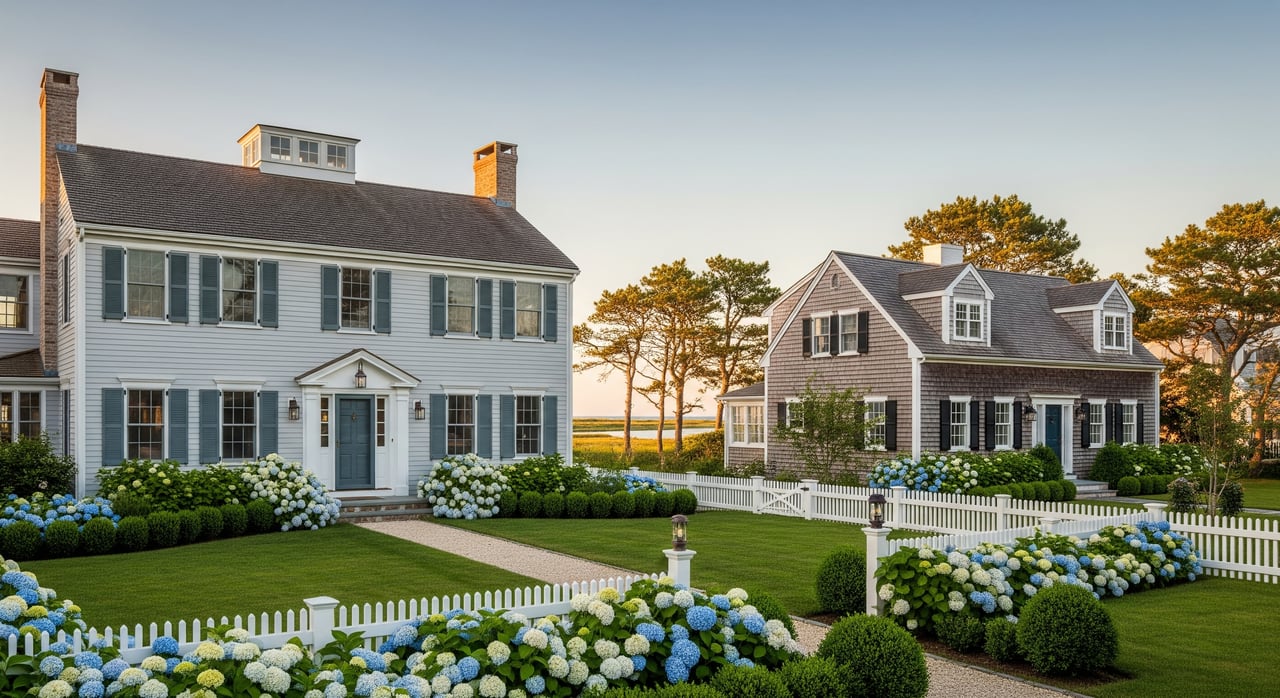
Colonial symmetry or Cape coziness? If you are shopping in Marshfield, you will see both styles on many streets, often with thoughtful updates layered over classic New England bones. Choosing between them comes down to how you live today, what you may want to renovate, and how coastal conditions factor into maintenance. In this guide, you will learn the key differences in layout, renovation paths, and Marshfield-specific considerations so you can buy with confidence. Let’s dive in.
Colonial style at a glance
A Colonial in Marshfield usually shows a symmetrical front with a centered entry and evenly spaced windows. Most are two stories with a side-gable roof, and many feature wood clapboard or shingles. Inside, a central hall often leads to living and dining rooms, with bedrooms stacked on the second floor.
The appeal is clear separation of spaces and predictable room sizes. Ceiling heights in many mid‑20th‑century examples range near 8 to 9 feet, which helps with light and volume. Basements are common and can offer storage or future living area if conditions allow.
Cape style at a glance
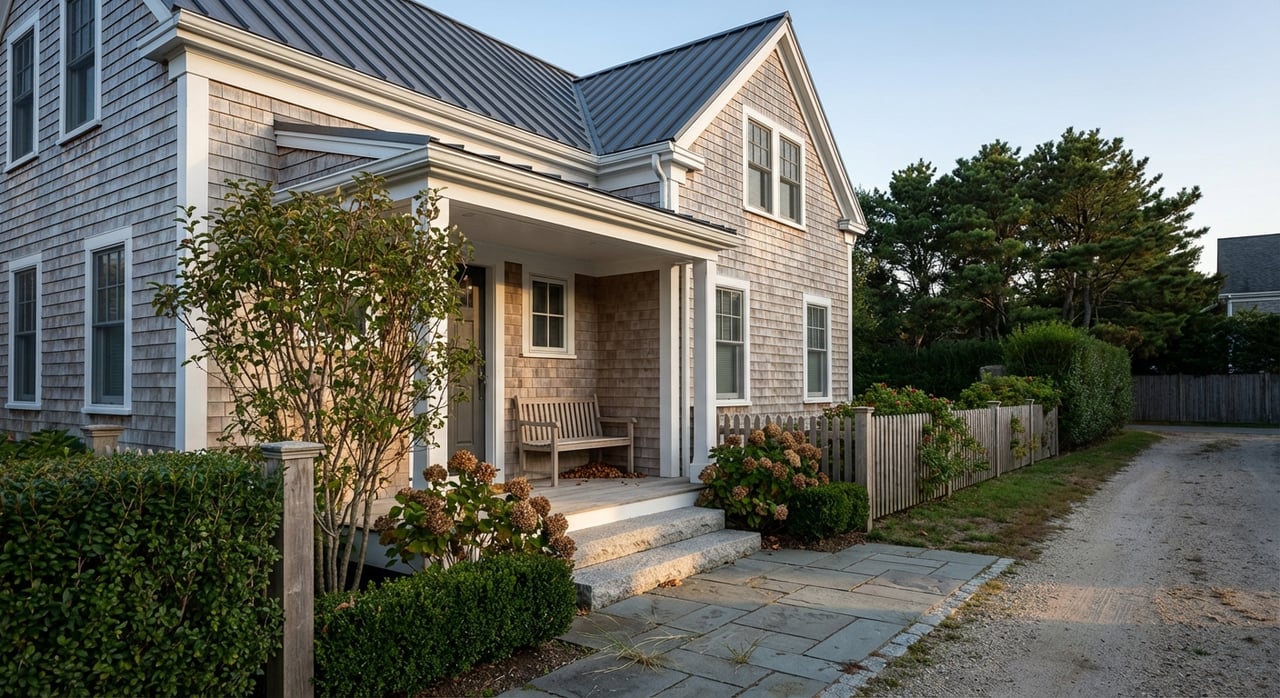
A Cape presents a lower, broader profile with a steep gable roof. Many Marshfield Capes are 1 to 1½ stories, often shingled, and may include dormers if the upper level has been expanded. The traditional plan is compact and efficient, with some bedrooms on the main floor and additional rooms tucked under the roof.
The draw is cozy, single‑floor living potential on the main level. Second‑floor rooms often have knee walls and sloped ceilings unless dormers or a full second story have been added. Foundations vary, and some older Capes may have shallow basements or crawlspaces.
How the floor plans live
Bedrooms and daily flow
- Colonials typically place all bedrooms on the second floor with larger closets and private separation from living areas. This suits households that prefer defined zones for work, sleep, and entertaining.
- Capes often offer two main‑floor bedrooms and additional rooms upstairs if dormered. This can work well if you want main‑level sleeping or a guest room without stairs.
Ceiling height and light
- Colonials tend to feel a bit more open due to higher typical ceilings on the main floor. Sightlines are formal, with rooms placed off a central hall.
- Capes feel intimate and efficient. Second‑floor rooms may have limited headroom unless the roof has been expanded with dormers or a full second story.
Storage and basements
- Many Colonials provide full basements and accessible attics, which can support storage or future finishing if conditions fit code and moisture standards.
- Capes may have useful eaves storage but often require dormers or a roof raise to gain full‑height second‑floor area. Basement types vary by age and can be shallower in older homes.
Renovation potential and cost drivers
Easy cosmetic updates
Painting, refinishing floors, and kitchen or bath refreshes are common first steps in both styles. These projects are lower complexity and often need minimal permitting, although plumbing and electrical work typically requires inspections.
Adding space
- Capes: Adding dormers is a classic way to create full‑height second‑floor bedrooms and baths. This involves new framing, roofing, flashing, insulation, and often stair reconfiguration. Raising the roof or adding a full second story is a major project that requires structural analysis and code compliance.
- Colonials: Lateral additions to the rear or side are common and can align cleanly with the two‑story geometry. Basements and attics may be candidates for finishing if height, egress, and moisture conditions meet code.
Systems and energy
Both styles benefit from modern systems. HVAC replacements, electrical panel upgrades, and plumbing updates improve comfort and safety. In older homes, you may encounter knob‑and‑tube wiring, 2‑prong outlets, or older heating systems that point to a planned systems update.
Insulation and envelope
Air sealing and attic insulation offer strong returns. On Capes, the sloped ceilings and knee walls make insulation quality critical to prevent ice dams and inefficient heating. On Colonials, wall insulation retrofits can be more involved but help with overall comfort. Window replacement can be part of a plan, though many owners weigh this against storm windows and deeper insulation.
Marshfield coastal factors
Climate and salt exposure
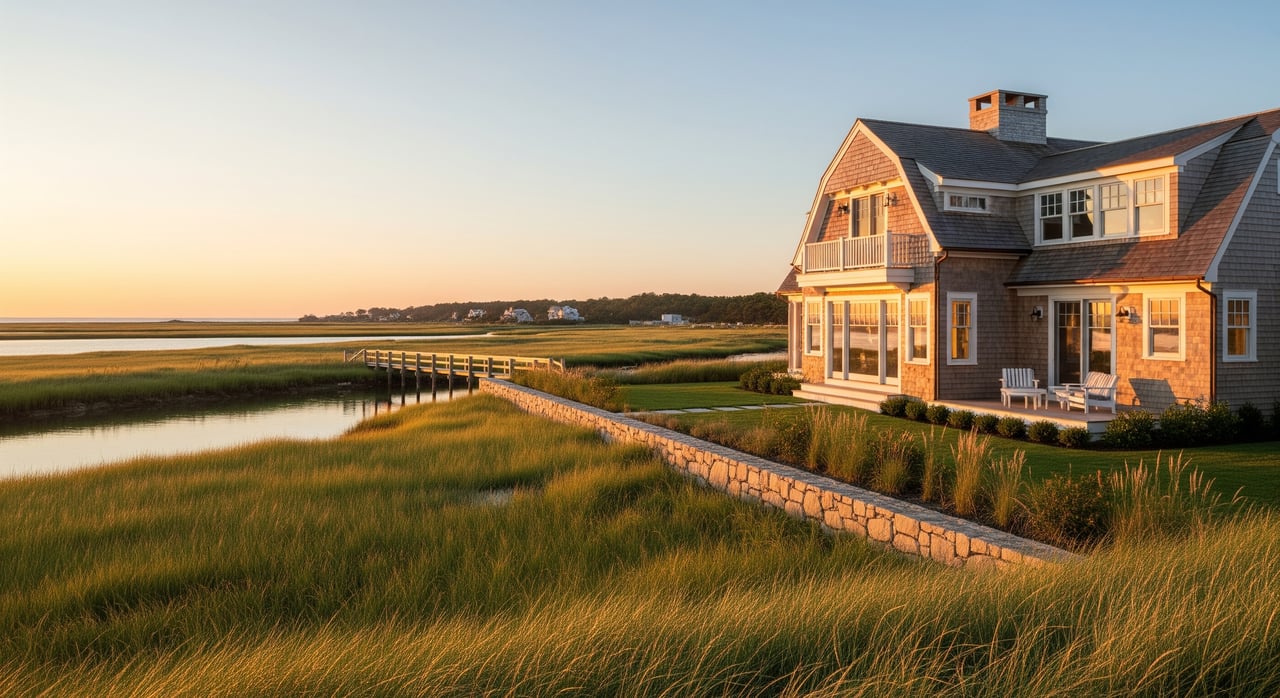
Marshfield winters bring snow loads and freeze‑thaw cycles that stress roofs and flashing. Adequate attic ventilation and insulation help prevent ice dams. Salt air can speed corrosion on exterior metals, from fasteners to HVAC condensers, so coastal‑rated materials are smart long‑term choices.
Flood zones and insurance
Some Marshfield properties lie within FEMA flood zones. Flood status can affect mortgage requirements, insurance premiums, and renovation design for items like utility placement and flood‑resistant construction. If you are evaluating a home near the coast or wetlands, confirm current flood maps and discuss elevation certificates and coverage with your lender and insurer.
Zoning, lots, and permits
Neighborhoods vary across Marshfield, from compact historic lots to larger suburban parcels. Zoning rules will guide setback limits, lot coverage, and whether additions or accessory structures are possible. Structural changes, new dormers, and most mechanical work require permits and inspections. Properties in or near historic areas or resource buffers may also need review by the Historical or Conservation Commission.
Utilities and septic
Many homes have municipal water and sewer, though some areas rely on wells and septic systems. If you plan to add bedrooms or finish space, verify septic capacity and inspection status early. Older homes that use oil may prompt a conversion plan to high‑efficiency boilers, gas, propane, or heat pumps, depending on availability and your goals.
Buyer checklist: Colonial vs. Cape
Use this quick pass to compare options during showings and inspections:
- Floor plan and daily life
- How many main‑floor bedrooms and baths? Do you want one‑floor living now or later?
- Are bedrooms all on one level or stacked above? Does that suit your routine?
- Do you prefer open flow or more defined rooms?
- Stairs and accessibility
- Where is the staircase, and how steep is it? Is a first‑floor suite possible if needed?
- Second‑floor usability
- For Capes: Are there dormers? What is knee‑wall height and usable area?
- For Colonials: Are all second‑floor rooms full height with adequate closets?
- Structure and foundation
- What is the foundation type? Any signs of moisture, cracks, or settlement?
- Any past structural alterations or dormer tie‑ins to evaluate?
- Mechanical systems
- Age and type of heat source. Is service history available?
- Electrical capacity and wiring type. Any known upgrades?
- Water and sewer status. Septic capacity if not on municipal sewer.
- Envelope and moisture
- Roof age and flashing around chimneys and dormers. Gutter and drainage condition.
- Attic ventilation and insulation. Any signs of leaks or mold?
- Basement or crawlspace dampness and waterproofing status.
- Hazardous materials
- Any evidence of lead paint, asbestos, or abandoned oil tanks in older homes?
- Insurance and flood risk
- Flood zone status and elevation data if in a special hazard area. Current premiums.
- Local constraints
- Zoning setbacks and lot coverage. Will your planned addition require variances?
- Historic or conservation reviews for exterior work.
- Renovation plan and budget
- Dormer vs. lateral addition vs. interior reconfigure. Which path fits your goals and timeline?
Which style suits your plans
Choose a Colonial if you want distinct room separation, full‑height second‑floor bedrooms, and predictable expansion with a rear or side addition. Colonials often deliver higher main‑floor ceilings and straightforward circulation through a central hall.
Choose a Cape if you value efficient, main‑level living and a lower profile that blends into coastal streetscapes. Plan for dormers if you need full‑height second‑floor space, and pay close attention to insulation and air sealing in the roof assembly.
If you love a Cape’s charm but want more headroom upstairs, factor a dormer project into your timeline. If you want larger, formal rooms and stacked bedrooms from day one, a Colonial may fit better. In both cases, align your choice with Marshfield realities like snow loads, salt exposure, potential flood mapping, and local permitting.
Ready to compare specific homes and map out a renovation‑smart plan tailored to Marshfield lots, flood status, and zoning? Connect with Regan Peterman for a private, design‑forward consultation that brings clarity to the shortlist and strategy to your next move.
FAQs
What are the key differences between Marshfield Colonials and Capes?
- Colonials are typically two stories with a central hall and stacked bedrooms. Capes are 1 to 1½ stories with a compact plan and dormers for upstairs space.
How hard is it to add dormers to a Marshfield Cape?
- Dormers are a common upgrade but involve framing, roofing, flashing, insulation, and sometimes stair changes. Plan for permits and code compliance.
What should I check for flood risk when buying in Marshfield?
- Confirm flood zone status, discuss elevation data with your lender and insurer, and understand how utilities and materials should be chosen for coastal conditions.
Are there energy incentives for South Shore homes?
- Many Massachusetts homes qualify for energy assessments and incentives for items like heat pumps, insulation, and air sealing. Check available programs during planning.
Which style is better for one‑floor living in Marshfield?
- A single‑story Cape often suits one‑floor living. Some Colonials can work if a first‑floor suite exists or can be added.