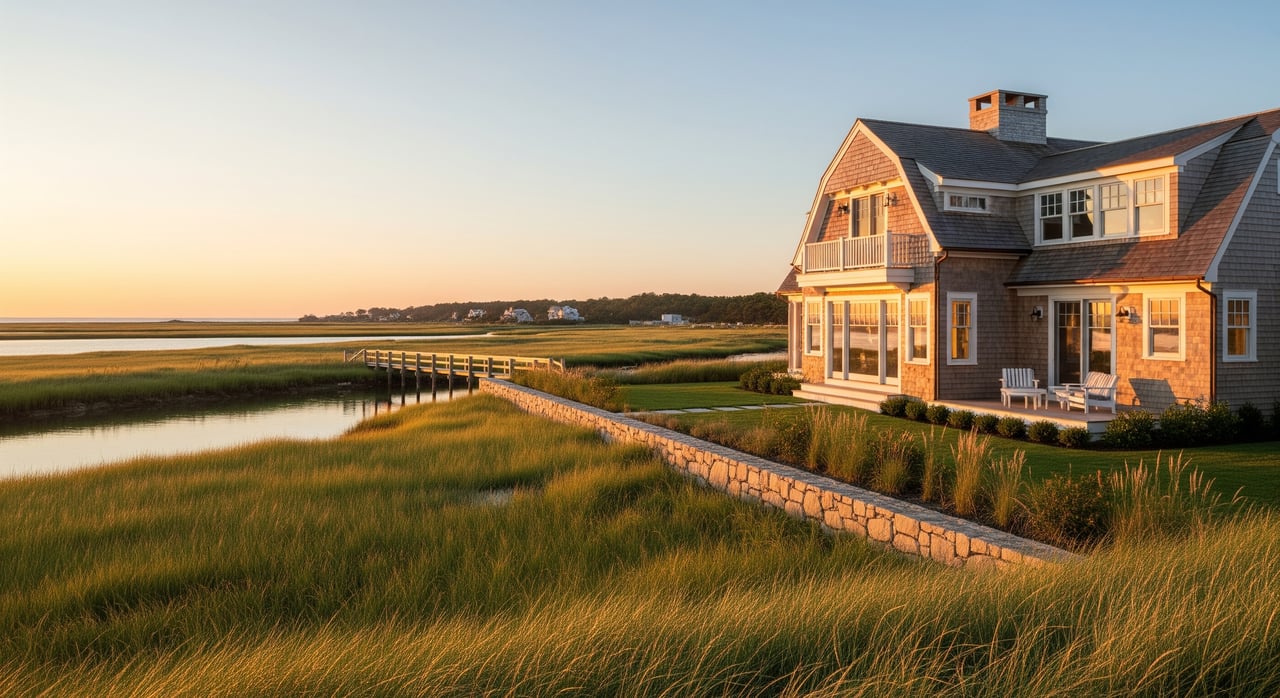
Two coastal homes in Marshfield can sit a few doors apart and sell for very different prices. If you are thinking about selling or buying in 02050, that gap can feel confusing. The truth is, a handful of value drivers consistently shape what the market will pay. In this guide, you will learn how views, access, flood and elevation data, architectural quality, and recent updates translate into value, plus the documentation that helps you price and negotiate with confidence. Let’s dive in.
Marshfield coastal market basics
Coastal premiums in Marshfield are hyperlocal. Two similar homes can differ in flood zone, elevation, view corridor, or access rights. That is why you should cross-check property details across multiple sources. Start with your MLS data for recent comparable sales, then verify deed records with the Plymouth County Registry of Deeds and parcel details with the Marshfield Assessor’s Office.
Flood risk and elevation influence both price and financing. Confirm the property’s FEMA flood zone and Base Flood Elevation using the FEMA Flood Map Service Center. For context on tides and long-term sea-level trends, review NOAA Tides & Currents. If you plan changes to shoreline structures or site work, the Massachusetts Office of Coastal Zone Management and MassGIS offer state guidance and mapping layers that affect feasibility and permitting.
- Plymouth County Registry of Deeds: official deed and easement records
- Marshfield Assessor’s Office: parcel data and assessments
- FEMA Flood Map Service Center: flood zones and BFE
- NOAA Tides & Currents: tide gauges and sea-level trends
- Massachusetts CZM: coastal policies and guidance
- MassGIS: state mapping layers
Value driver 1: view and water access
Views and access are the strongest drivers of price for Marshfield coastal homes. A direct, unobstructed ocean view or immediate water access typically commands the highest premiums. Partial or harbor/estuary views earn moderate premiums. Seasonal or intermittent views carry smaller uplifts. Orientation matters too. Many buyers favor southern or western exposure for light and sunset vistas.
When assessing value, be precise:
- Document the type of view: direct ocean, partial, seasonal, or none.
- Measure distance to the mean high-water line.
- Confirm access: private beachfront, shared deeded access, public access, or none.
- Note any seawalls, bulkheads, private docks, or mooring rights.
To strengthen your valuation, gather clear photo and video evidence from inside the home and the lot. Include daylight and low-tide shots, and, if possible, drone imagery to confirm lines of sight. If nearby lots or tree lines may change, clarify whether view obstructions are likely to be permanent.
Value driver 2: proximity and neighborhood context
Walkability and access to daily conveniences also affect price. Buyers respond to short walk times to beach access, marinas, restaurants, and the town center, along with practical commute routes to Boston or neighboring South Shore hubs. Proximity to commuter corridors, ferry or rail can add appeal.
Context matters. Some areas have a year-round residential rhythm while others feel more seasonal. Public services and utilities influence perceived value too. A home with municipal services, regular road maintenance, and efficient emergency response can trade at a premium compared to properties with more limited services. Note travel times to everyday destinations and be transparent about nearby noise sources such as marine traffic or rescue stations.
Value driver 3: architecture and resilience
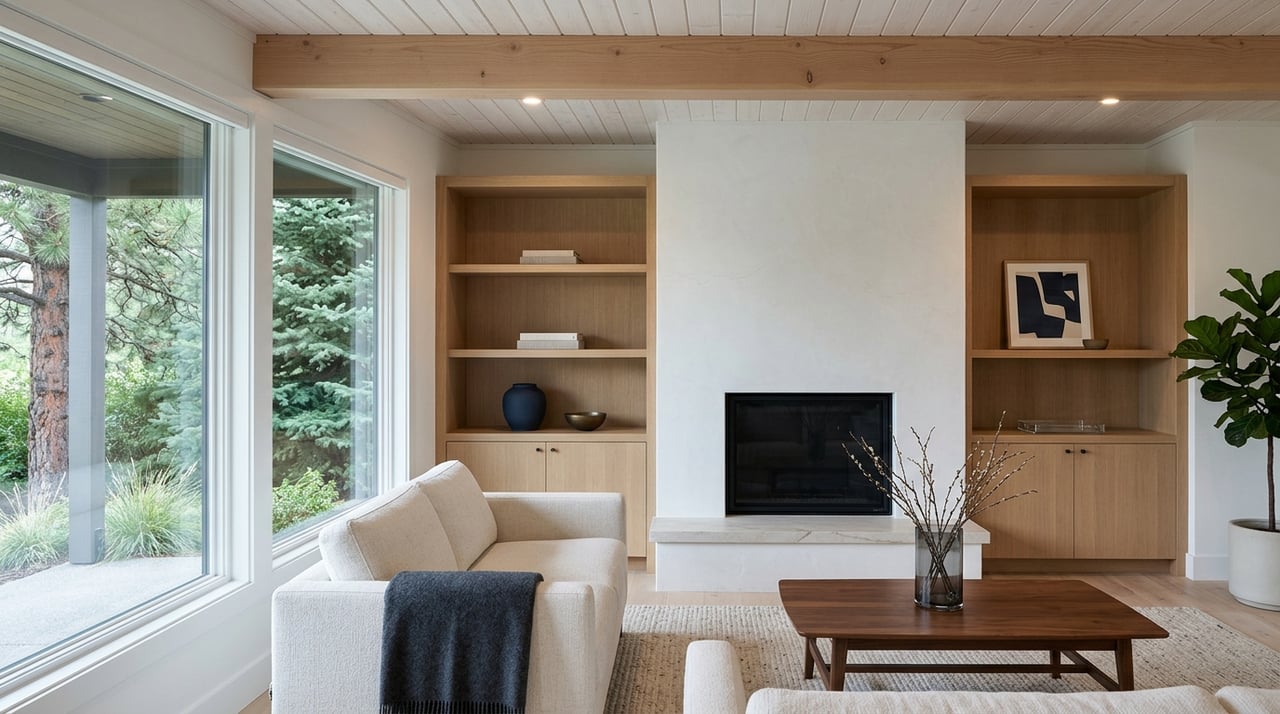
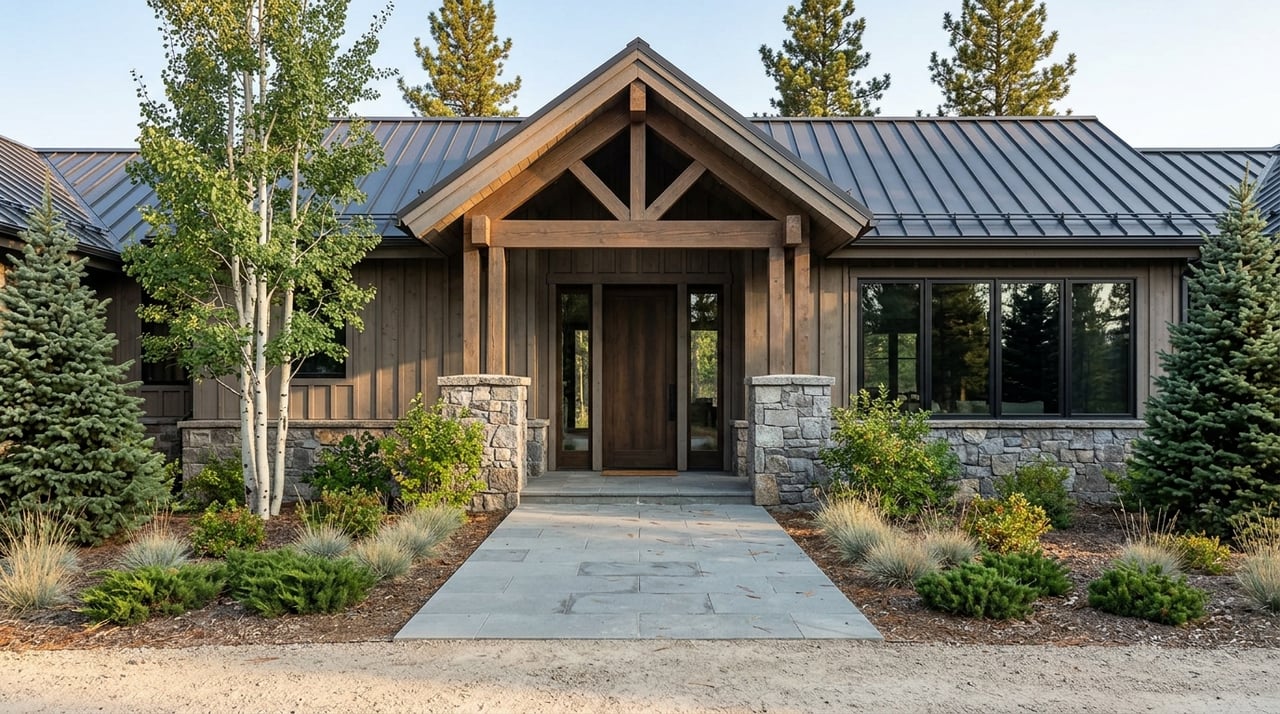
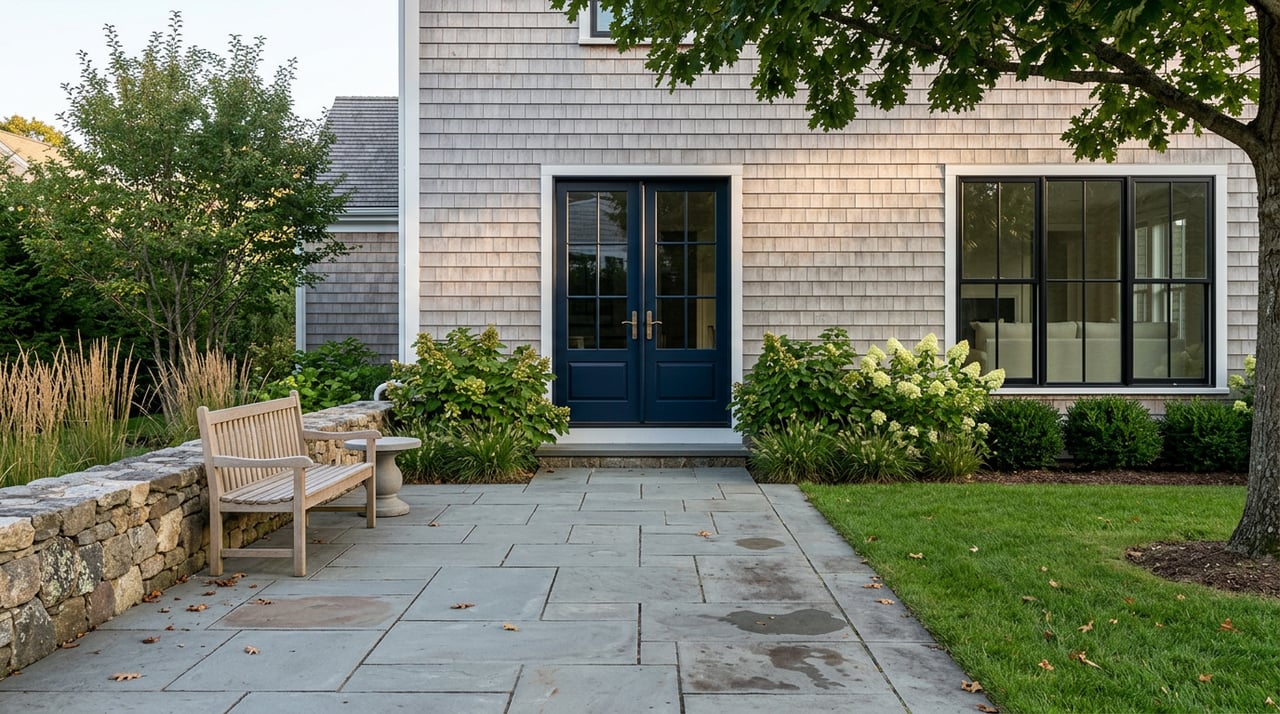
Design quality and construction resilience play a major role in coastal pricing. Architect-designed or well-executed custom homes, especially those that frame the view with thoughtful window placement and outdoor living areas, tend to justify higher prices.
In coastal settings, structural resilience is just as important as aesthetics. Appraisers and buyers look for elevated foundations, pilings where appropriate, flood vents, and utilities placed above the Base Flood Elevation. Durable, coastal-appropriate materials, corrosion-resistant fixtures, and documented structural upgrades all reduce perceived long-term risk, which helps support stronger pricing.
Value driver 4: recent updates and condition
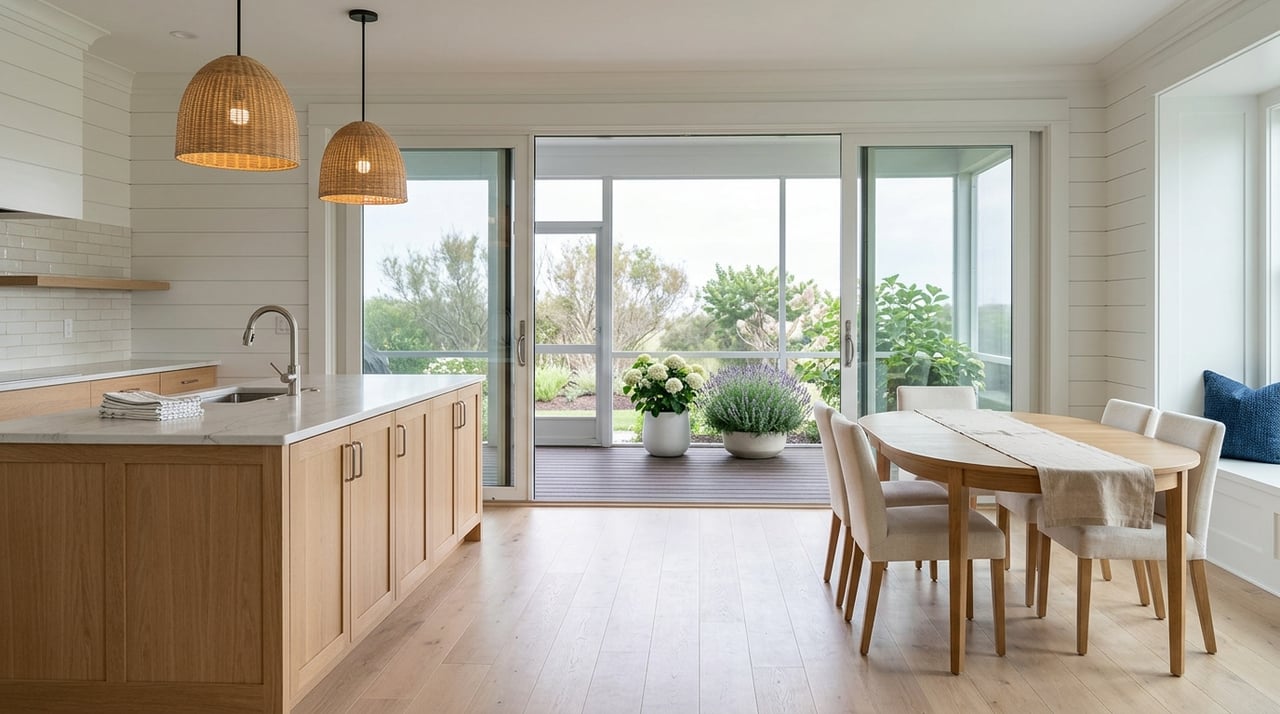
Recent, high-quality updates reduce negotiation friction and appraisal risk. Kitchens and baths, roofing, windows, HVAC, electrical, and plumbing upgrades are the big-ticket items buyers watch. Energy-efficient improvements and resilience measures, such as modern heat pumps, impact-resistant windows, and flood mitigation work, also add measurable value.
Coastal homes face unique wear from salt and wind. Deferred maintenance like rot, mold, or deck deterioration tends to be discounted heavily, since remediation can be more expensive near the ocean. To protect your pricing power, assemble receipts, permits, warranties, contractor info, and before-and-after photos. If available, include a FEMA elevation certificate.
Flood insurance, regulations, and financing
Flood zone classification and elevation relative to BFE affect insurance costs and lending requirements. Premiums vary widely based on how the lowest finished floor compares to the BFE, and whether coverage is through the NFIP or a private carrier. To avoid surprises, verify the current flood zone and gather premium quotes early using the FEMA Flood Map Service Center and guidance from insurers.
Shoreline and site changes are regulated. Massachusetts and the Town of Marshfield have rules for seawall work, dune or shoreline alteration, and new construction setbacks. The Massachusetts Office of Coastal Zone Management provides state-level guidance, while MassGIS offers mapping that can inform feasibility. Permitting complexity or denial risk can reduce marketability and price.
Financing can be more conservative for unique or high-exposure coastal properties. Limited comparable sales with similar views or access sometimes lead to cautious appraisals or lower loan-to-value limits. Preparation and documentation help keep your deal on track.
Build an evidence-based price
A tight comp set is your foundation. In coastal Marshfield, use the most recent local sales data you can find, ideally within the last 6 to 12 months. Prioritize properties with matching view type and access on the same or nearby shoreline segments. Then adjust for flood zone, elevation, upgrades, and lot features.
Use this qualitative weighting framework when comparing:
- View and direct water access: primary adjustment.
- Flood zone, BFE, and elevation: second-highest weight.
- Major recent updates: medium weight.
- Architectural quality and lot improvements: medium weight.
- Proximity to amenities and transportation: medium weight.
- Condition and deferred maintenance: subtractive adjustment.
- Legal encumbrances or unusual easements: large negative if applicable.
Always confirm permits and beach-access rights through recorded documents at the Plymouth County Registry of Deeds. Cross-check lot size, year built, and building details with the Marshfield Assessor’s Office. For flood data and elevation certificates, rely on FEMA’s FIRM maps and any seller-provided documentation.
Positioning your coastal listing
Presentation shapes outcomes. For coastal homes, the story is in the view, access, resilience, and care. A strong listing package should include:
- High-resolution photography that shows the view corridors from key rooms at different times of day, plus neutral daylight shots for condition.
- Drone imagery to confirm lines of sight, shoreline proximity, and access routes.
- Floor plans and elevation cross-sections showing finished living levels relative to grade.
- Copies of surveys, elevation certificates, and permits for seawalls, bulkheads, or docks.
- Receipts and warranties for recent updates, plus current flood insurance premiums and recent utility costs.
A design-forward presentation with clear documentation reduces buyer uncertainty and supports premium pricing. If you are selling, a marketing-first approach with curated visuals and thoughtful staging helps your home stand out to local and out-of-area buyers alike.
Offer strategy for buyers
If you are buying a coastal home in 02050, quantify the ongoing costs before you write. Get flood insurance estimates based on the home’s elevation relative to BFE. Budget for coastal maintenance items like painting, deck replacements, and potential seawall upkeep. For unique view properties, comps may be limited. Consider appraisal contingency wording that recognizes view premiums, or be prepared with additional data to support your valuation.
Ask specific questions during due diligence:
- How permanent is the view based on zoning and nearby parcels?
- What is the flood zone and current premium estimate?
- What resilience features are in place?
- Are there documented flood or storm claims, and what repairs were completed?
Data checklist for accurate comps
For each comparable and the subject property, collect:
- Property facts: address, list/sale price, days on market, sale date, lot size, square footage, year built.
- View and access: view type, distance to mean high-water line, private vs. shared vs. public access, dock or mooring rights.
- Elevation and flood: FEMA zone, BFE, elevation certificate, lowest finished floor elevation, history of flood claims.
- Structure and resilience: foundation type, flood vents, materials, roofing, windows, mechanical systems above BFE.
- Permits and improvements: seawall or dock permits, recent renovations with permits.
- Operational costs: current flood insurance premium, property insurance notes, sewer vs. septic.
- Market context: days on market, price history, number of offers if known, buyer profile if relevant.
The bottom line
Pricing a Marshfield coastal home is not guesswork. When you match view and access types, verify elevation and flood data, weigh architecture and updates, and package the story with strong visuals and documentation, you give buyers and appraisers the confidence to meet your price. If you would like a design-led, concierge plan to prepare, position, and negotiate your sale or purchase in 02050, connect with Regan Peterman for a private consultation.
FAQs
How do I check a Marshfield home’s flood zone?
- Use the FEMA Flood Map Service Center to locate the property, confirm its flood zone and BFE, and download the relevant FIRM panel. Ask for any existing elevation certificate to refine insurance estimates.
What counts as direct water access in pricing?
- Direct private beachfront or deeded access typically commands the highest premiums, followed by shared access or nearby public access. Document the type of access and verify rights through recorded deeds.
How do appraisers handle unique ocean views?
- Appraisers prioritize comps with similar view and access. If those are scarce, they may adjust using the best available sales and rely on documented buyer demand. Drone images and a tight comp set help support value.
Which updates add the most value in coastal 02050?
- Recent, high-quality work on kitchens, baths, roofs, windows, and HVAC, plus resilience measures like elevated utilities and flood vents, tends to have the strongest impact. Provide permits, receipts, and warranties.
How does flood insurance affect monthly costs for buyers?
- Premiums vary by flood zone and how the lowest finished floor compares to BFE. Obtain quotes early to understand the monthly cost and how it may influence your offer and financing.
Are seawalls and bulkheads regulated in Massachusetts?
- Yes. Shoreline structures and alterations are regulated at the state and local level. Review guidance from the Massachusetts Office of Coastal Zone Management and consult local permitting offices before planning work.